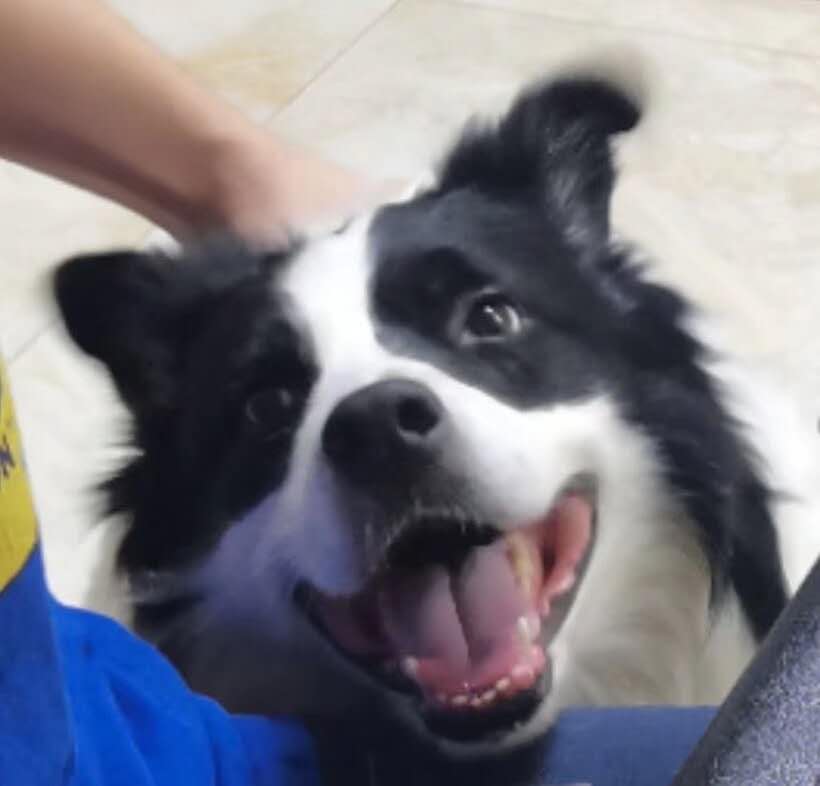
Name: Cai Ge
Gender: Male
Age: 13 (2014 ~ 2026.09.12 10:00 BJT)
Race: Border Collie
Hobie: Eating, Playing, Sleeping
Remembering Cai Ge
才哥(2014 ~ 2026.09.12 10:00 BJT),享年 13 岁。谨以此文纪念。
Cai Ge (2014 ~ 2026.09.12 10:00 BJT), aged 13. In loving memory.
才哥的故事
第一次见到才哥也是我第一次去聪聪家的时候,一进门就看见一条黑白大狗,毛发顺亮,黑的乌黑,白的雪白,仔细一瞧,黑鼻点在白脸上,两侧像带了黑面具,大眼直勾勾地看着我,胸口一片雪白,雄姿英发,好似一头雄狮,后身通体黑色,唯有脚是白色,好一个乌云踏雪,看到我就往我身上扑,后来我才知道,这是狗在面对陌生人在确认自己的地位,如果你顺从了,他之后就会把你当小弟,好在我人高马大,摸了两下便一掌排开,才哥也就认我为大哥了。
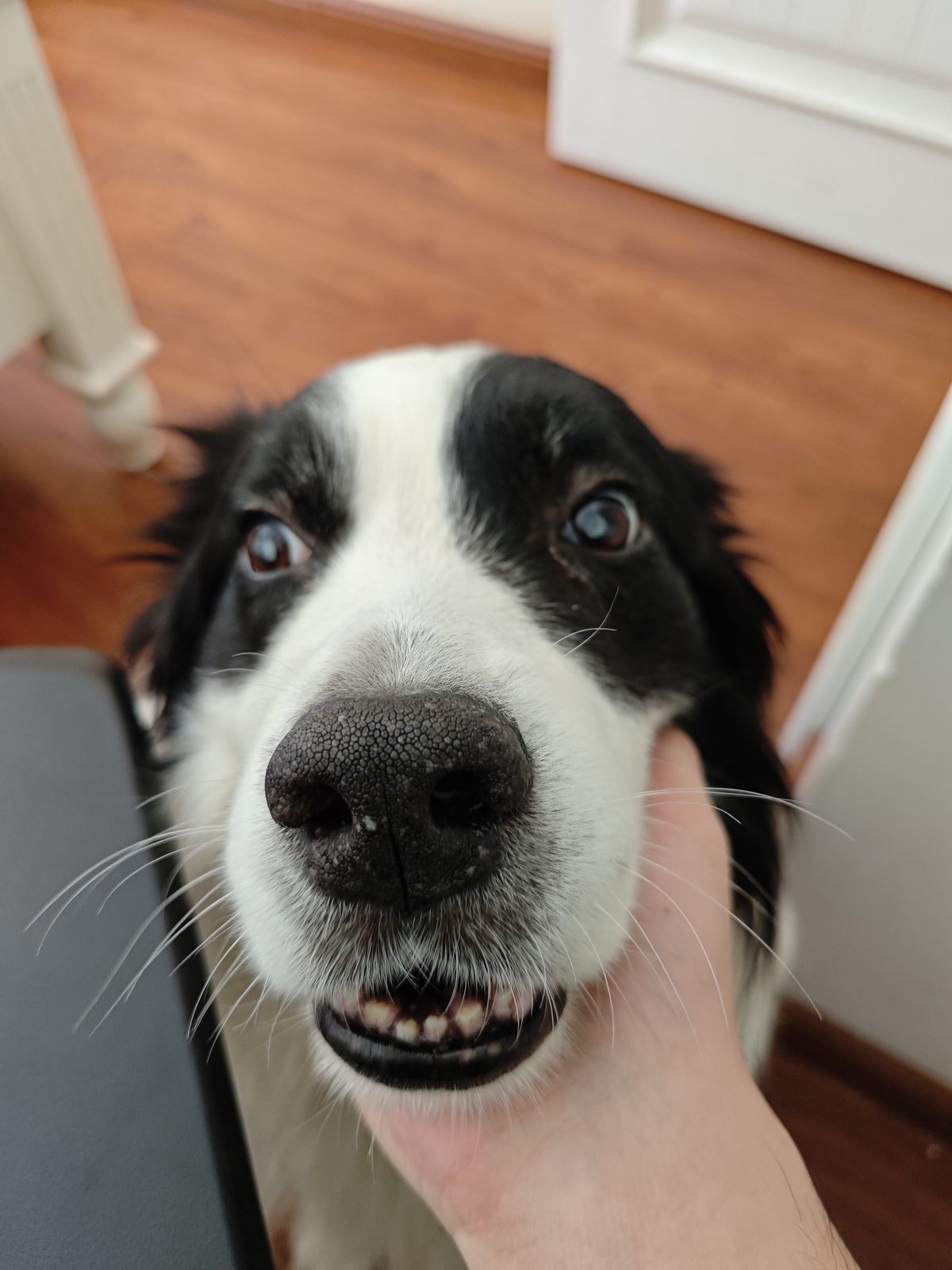
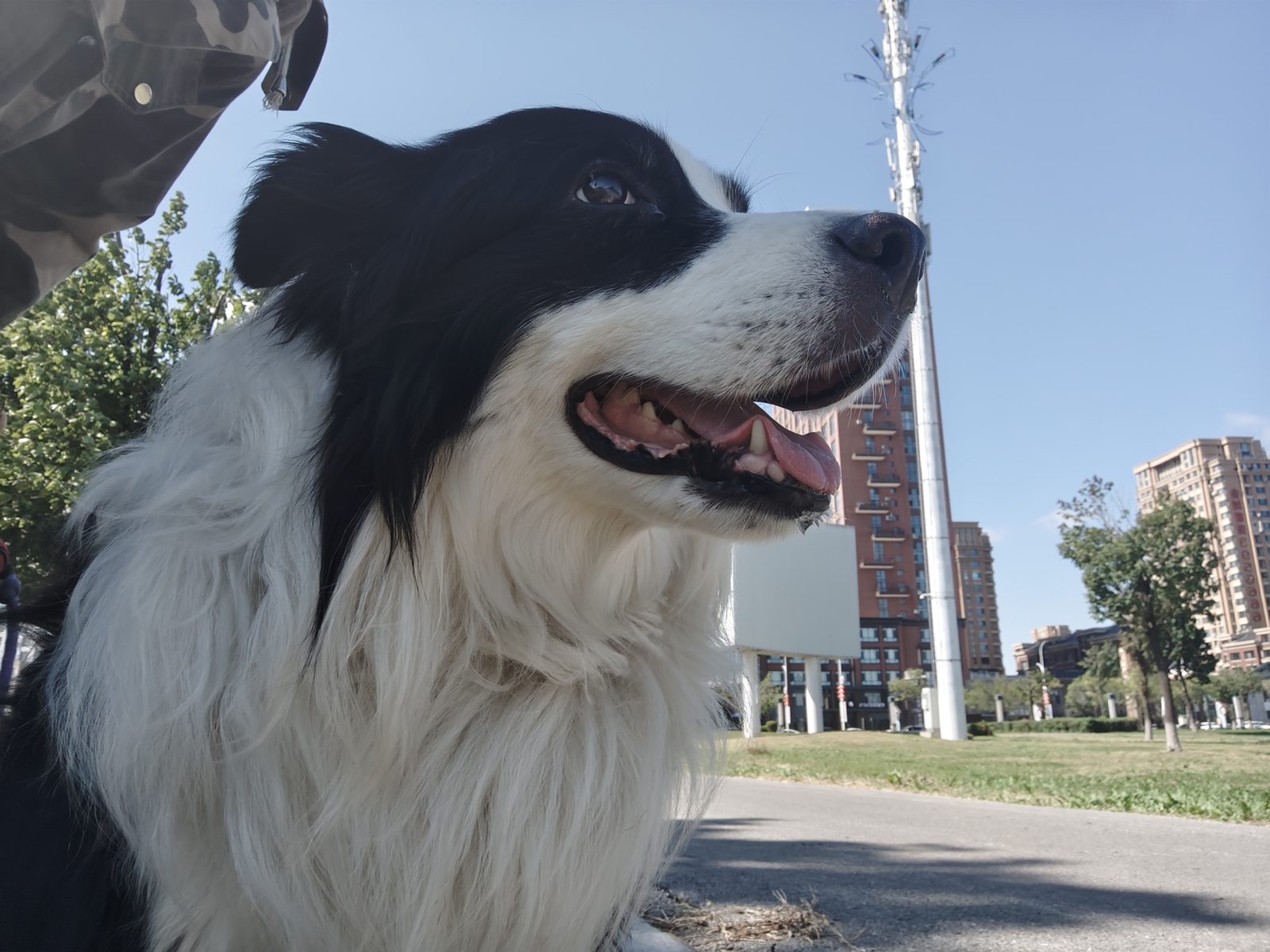
才哥是一只边境牧羊犬,体格比寻常边牧大得多,非常爱玩,一到出去玩的时候,叫得比谁都大声,最有意思的是,他的听力非常好,能够在楼下听到我们拿绳子的声音,或者是我们换衣服的声音,这都是要带他出去的征兆,他会先狐疑地走来,确定后便会大声吠叫,即使我一直打他的屁股,他也不停止,一直到带出门为止。才哥也是极爱吃的,因为是聪聪家第一次养狗,没有经验也没有太多考虑,从小就是人吃什么他吃什么,这也是他体格大的原因,营养丰富使得他比寻常边牧更强壮与漂亮,吃饭也很讲究,吃完饭要喝水,然后去房间里用嘴巴蹭床沿,收拾干净后就往地上一趴,鼻子里串出长长一口气,表示舒坦了。每每出去遛弯,他都是人见人爱,人们尽夸他威武,是小区里的狗中王子,威风十足。但也别看他外表威风,实际上是个胆小鬼,家里一旦发生争吵,他是第一个躲起来的,他要是偷吃了垃圾桶,我一呵斥,他便连滚带爬地跑到房间里躲在床下,小时候还能躲进去,长大了只能把头塞进去,留一大屁股在外面,惹人发笑。
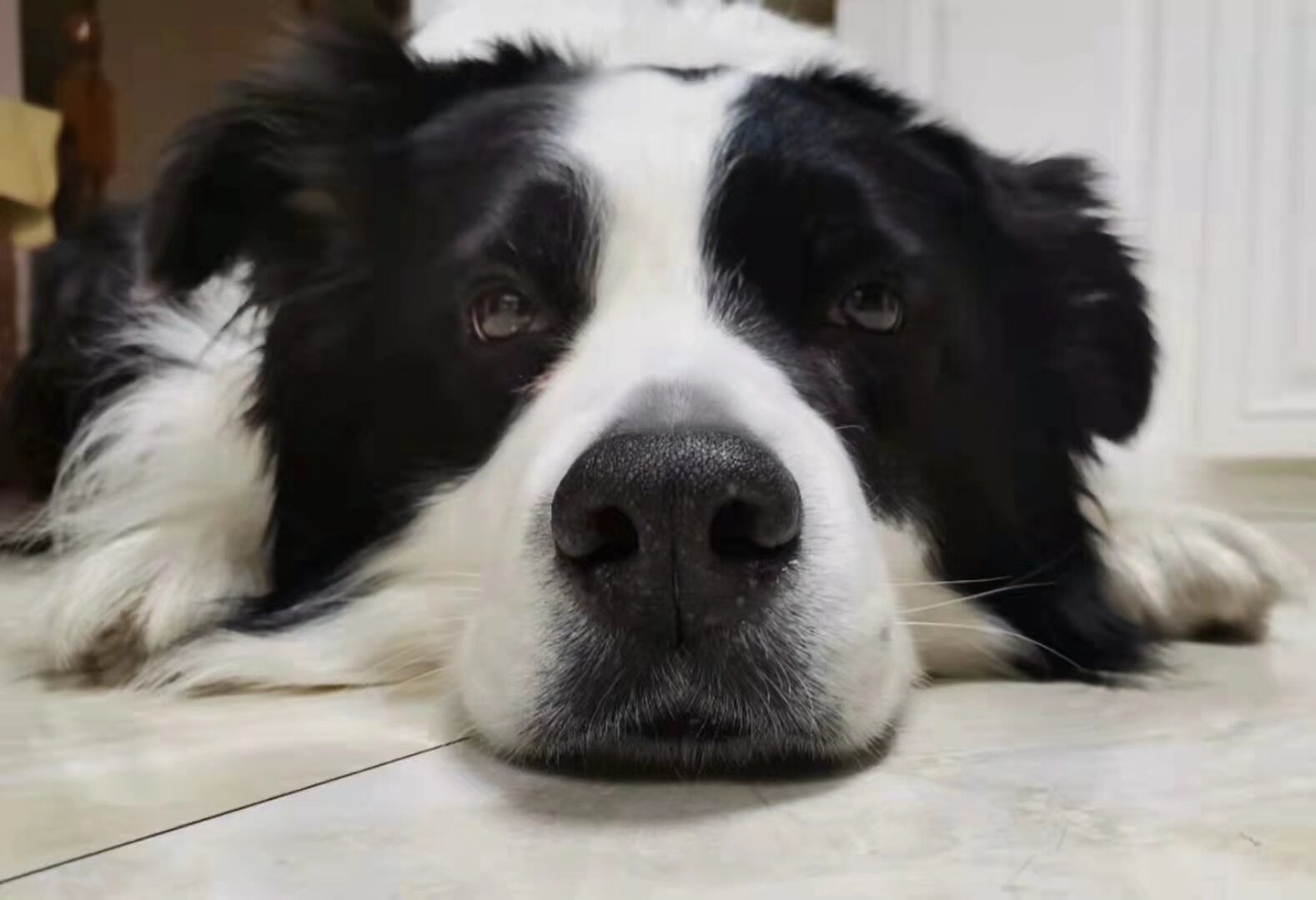
人年纪一大很多病就来了,狗也一样,早年是吃舒坦了,但也带来了糖尿病,刚发病那会,才哥连道都走不动,虚弱的不行,当时我们都以为才哥就要不行了,谁知他也争气,也是祸福相依,大体格让他撑过来了,但之后的日子里得与胰岛素相伴。前几年还是和没发病前一样,生龙活虎,我还时常跟他玩追逐游戏,他总是能追上我,可到了后面这些年,才哥明显衰老了,毛发也因为生病变枯了,原来黝黑顺亮的大狗变成了个狗老头,我突然跑起来,他也不来追我了,只会在后面哈哈地喘气,慢悠悠地走。再后来,因为并发症才哥有了白内障,什么也看不清,但还和以前一样倔强,出门前还会大叫,吃完饭还会擦嘴,遛狗的路线也不能改变,一定要倔着朝着他熟悉的方向走,但也越来越邋遢,越来越臭了,因为不能常洗澡,他的毛发混合着尿液和粪便,以至于后面我也嫌弃他了,越来越少主动摸他,只有他有时候会步履蹒跚地走过来把头放在我的怀里,让我慢慢地摸着他的头,给他的脖子按摩。
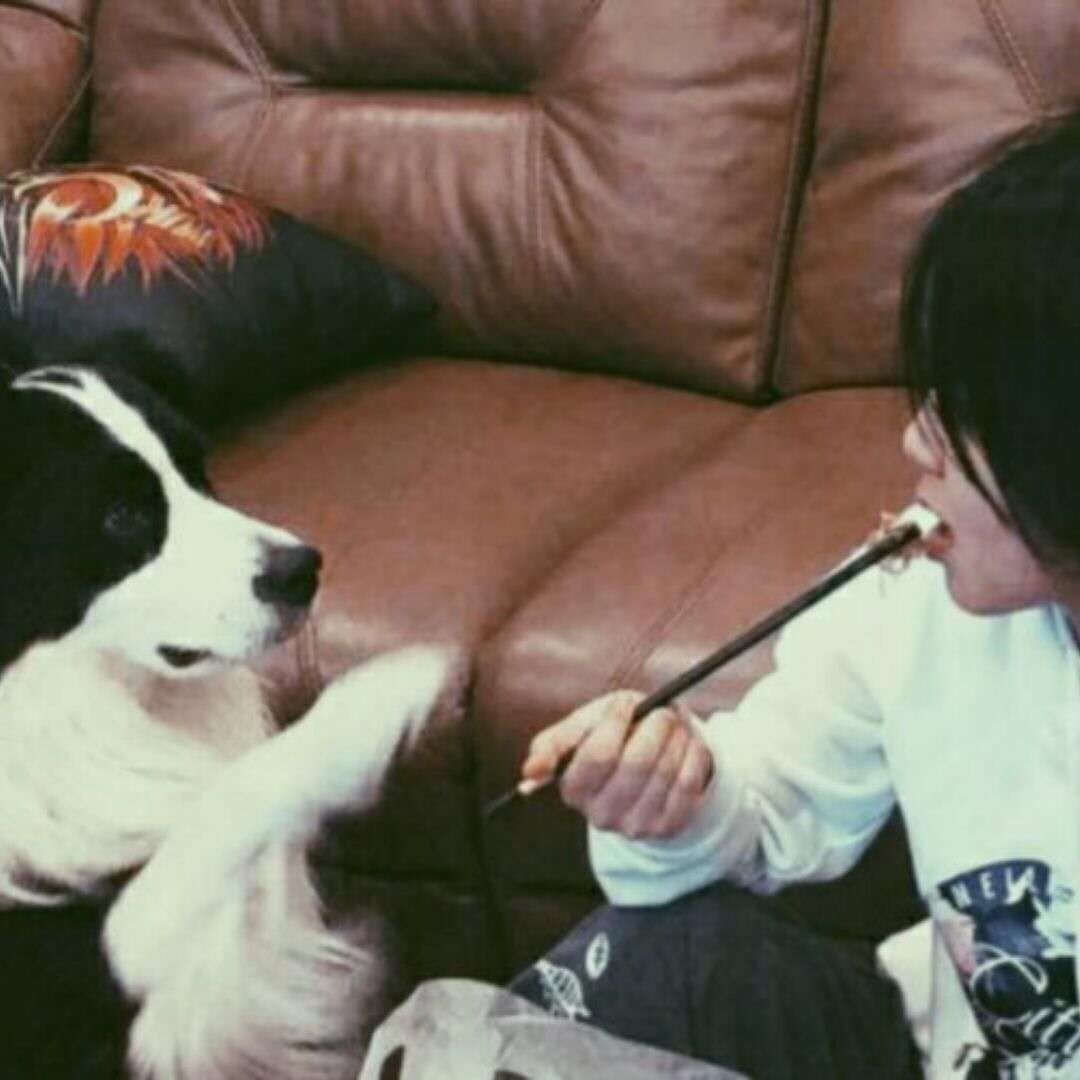
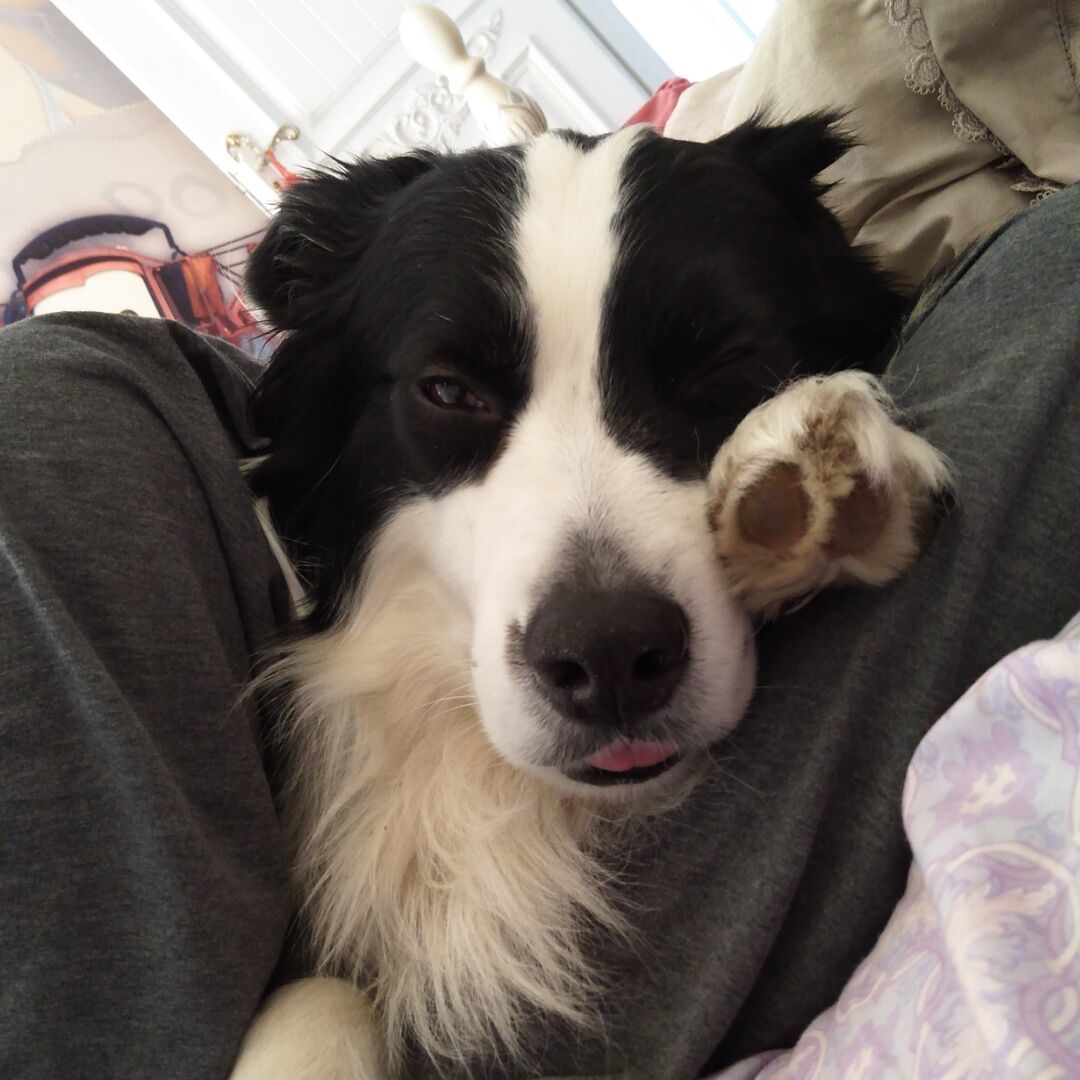
小乖是阿拉斯加犬,也是我养的第一条狗,正是出于当时对才哥的好感,我喜欢上了狗,回家后便领养了小乖。小乖比起才哥更听话也更年轻,从来不大声吠叫,我一直以来都以为我对他们是平等地付出感情的,但是才哥发病后我明显的更喜欢小乖,因为小乖毛发上没有混杂着尿粪的味道。在才哥最后的一个月里,我叫上聪聪跟我回了家,与小乖度过了美好的一个月,但是,如果我知道才哥只剩下这一个月,我是会提前回来的,现在只独留遗憾,我身处维也纳,甚至无法见才哥最后一面,想到我对才哥的亏欠,悲伤就立马狠狠地裹住我的心,根本透不过气来。
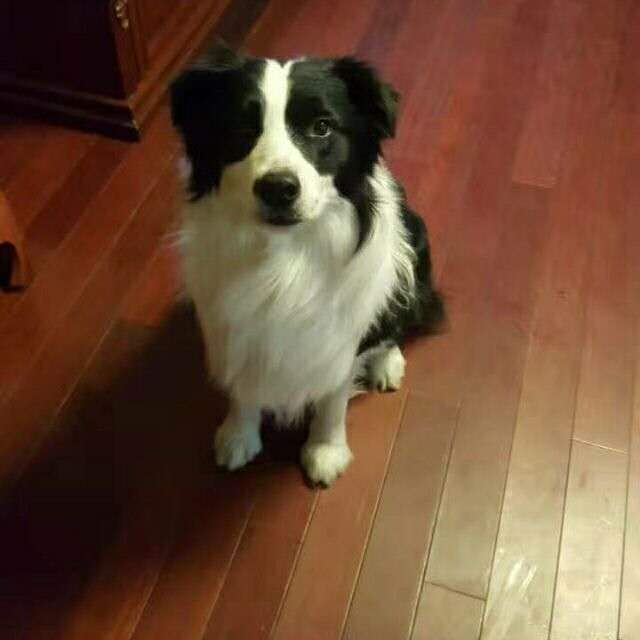 才哥小时候
才哥小时候昨晚才哥临终前给我托了梦,梦里我和聪聪走在一个洁白无暇的地方,才哥躺在远处的毯子上,我劝聪聪,才哥要清清白白地来,也要清清白白地走,不要悲伤,谁知才哥便蹦蹦跳跳地向我们跑来,变成了小时候的模样,甚是可爱,我们把才哥带回了家,但就在家门口他往另一个地方跑走了,我连忙大喊:不要去别人家,会吓到别人的!聪聪便上手去拉他的腿,谁知到这梦就散了,心中那份才哥痊愈的喜悦顿时被哀伤冲散,我心里已有明悟,才哥要走了,谁知当天才哥真走了,那个忠诚守家的伙伴,再也听不到他的叫声了,我再也不能在他叫的时候打他的屁股了,我心伤悲,莫知我哀!
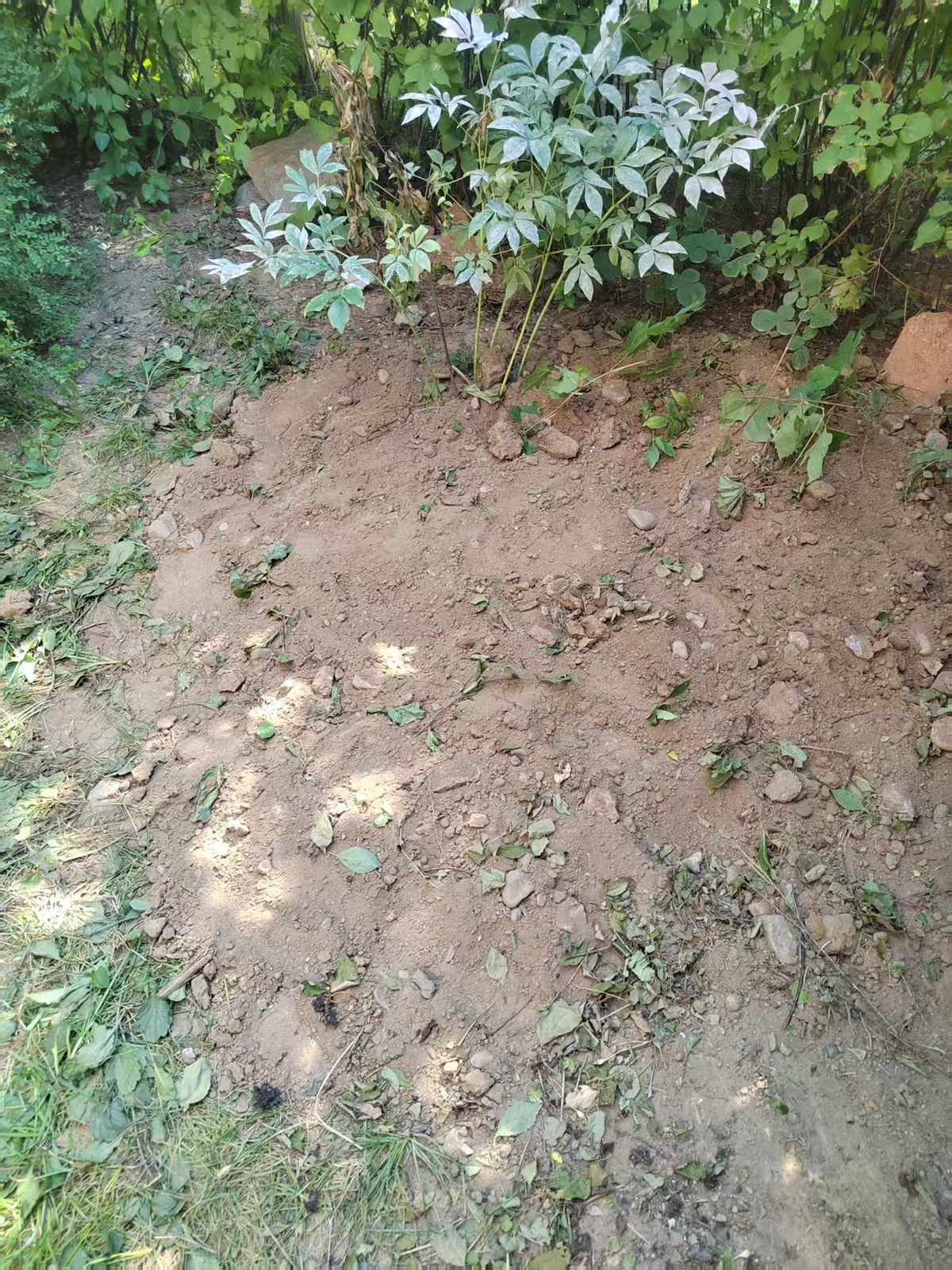 好好睡吧
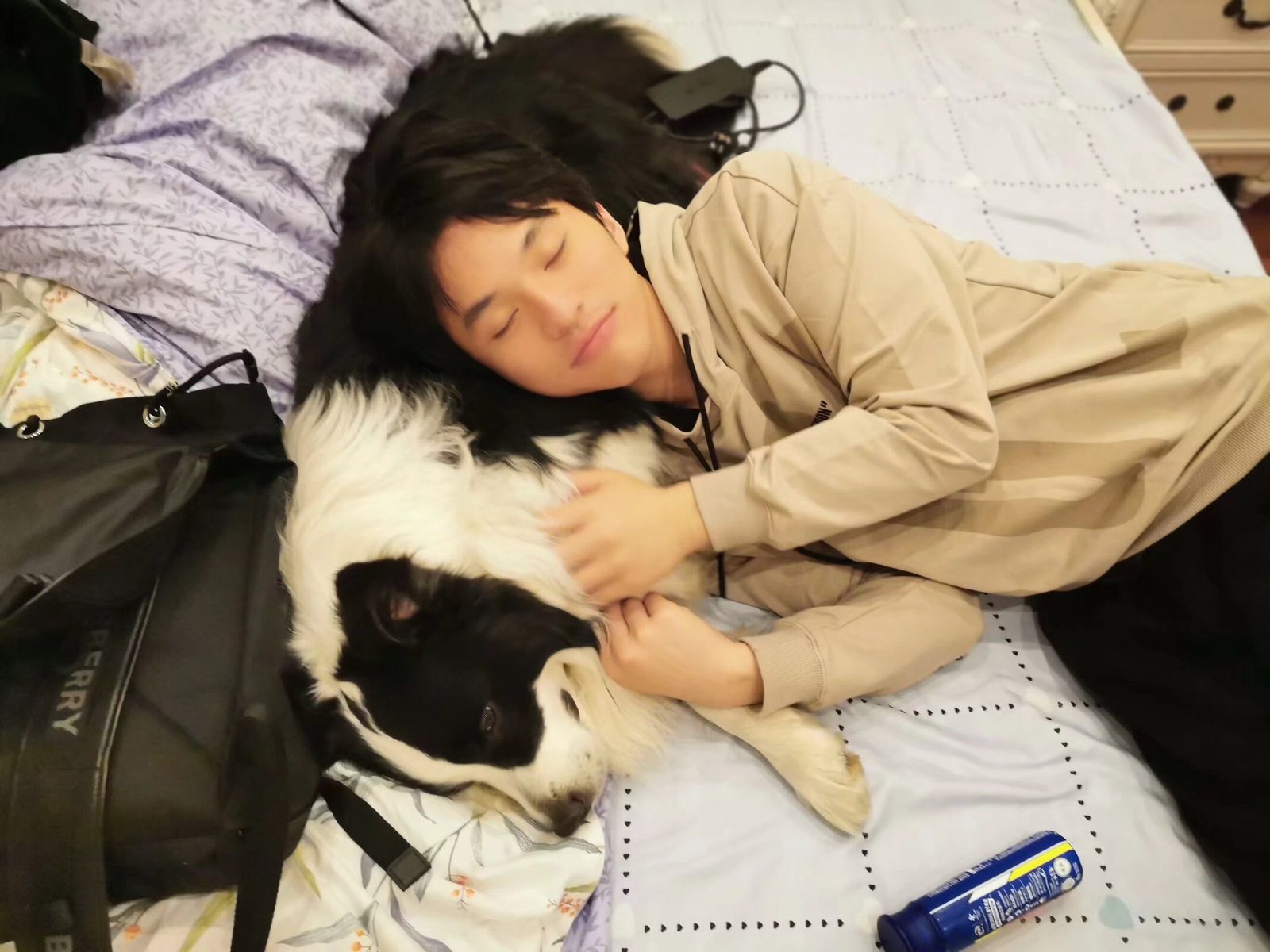
好好睡吧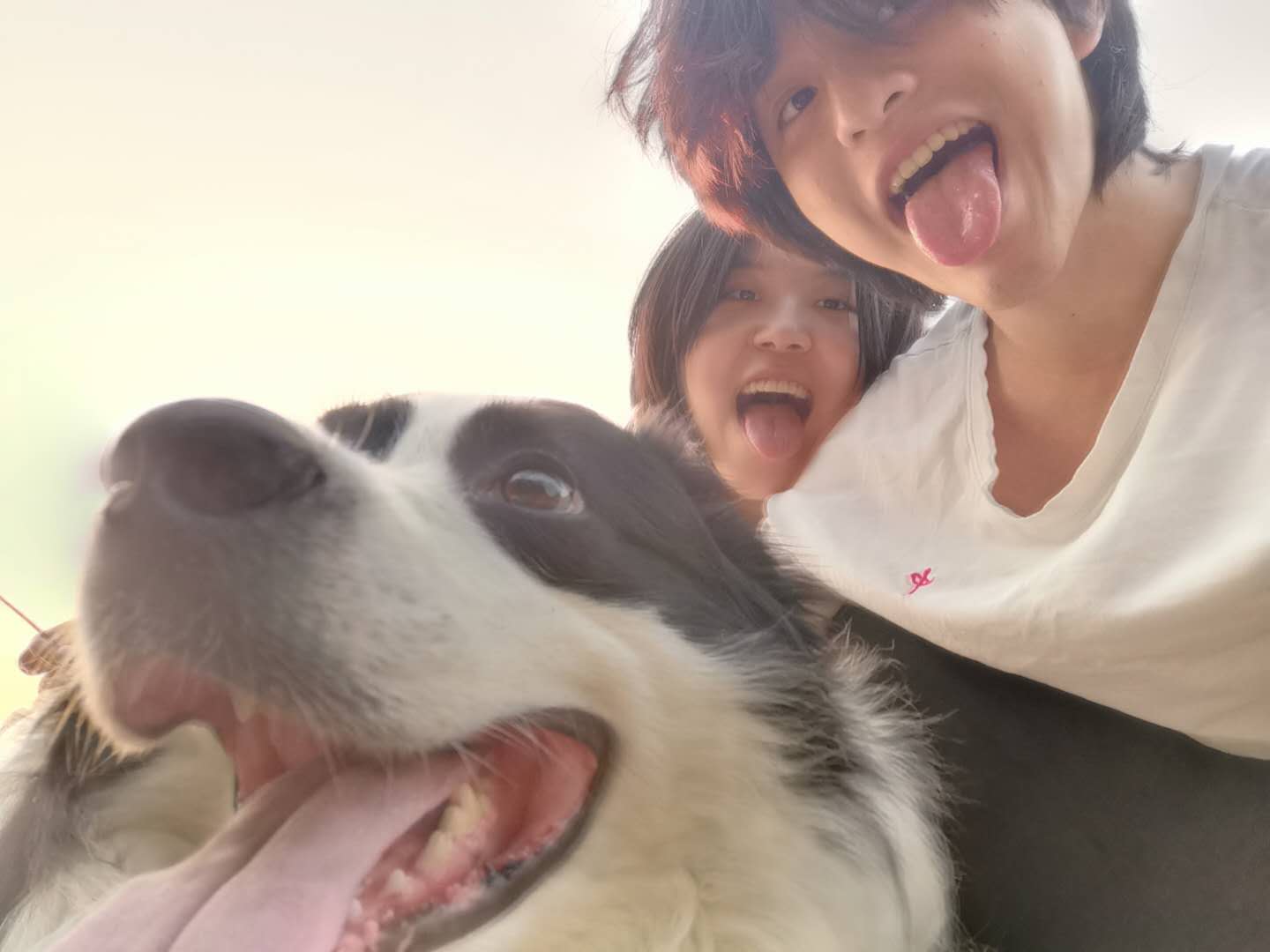 我们和才哥
我们和才哥The Story of Cai Ge
The first time I met Cai Ge was also the first time I visited Congcong’s home. The moment I stepped through the door I saw a big black-and-white dog, his coat sleek and glossy — black as ink, white as snow. Looking closer: a black dot of a nose on a white face, black masks down both sides, big eyes fixed straight on me, and a chest of pure white — magnificent and dashing, like a lion. His hindquarters were black all over except for his feet, which were white: truly dark clouds treading snow. He flung himself at me the moment he saw me. Only later did I learn that this is how a dog checks his standing with a stranger — if you give way, he will treat you as his underling ever after. Luckily I am tall and sturdy; after a couple of pats I swept him aside with one palm, and Cai Ge acknowledged me as his elder brother.
Cai Ge was a Border Collie, and much larger than an ordinary one. He loved to play, and when it was time to go out he barked louder than anyone. Most remarkable was his hearing: from downstairs he could catch the sound of us picking up the leash, or of us changing our clothes — all of it a sign that he was about to be taken out. He would first come over with a suspicious air, and once sure, would bark loudly; even when I kept smacking his rear end he would not stop, not until he was led out of the door. Cai Ge was just as fond of food. Because he was the first dog Congcong’s family had ever kept, there was no experience to draw on and not much thought given to it: from puppyhood he ate whatever the people ate. That, too, is why he grew so big — rich nutrition made him stronger and handsomer than an ordinary Border Collie. He was particular about his meals as well: after eating he drank water, then went into the room and rubbed his muzzle along the edge of the bed; once he had tidied himself up he would flop down on the floor and let a long breath out through his nose, which meant he was comfortable. On every walk he was loved by all who saw him, everyone praising how mighty he was — the prince among dogs in the neighbourhood, full of swagger. But for all his lordly looks he was a coward at heart: the moment an argument broke out at home, he was the first to hide. If he had raided the rubbish bin and I scolded him, he would scramble into the room on all fours and hide under the bed — as a puppy he could still fit underneath; grown up, he could only jam his head in and leave a big rear end sticking out, which set everyone laughing.
When people grow old, illness comes with age, and so it is with dogs. The comfort of his early years brought diabetes in its train. When it first struck, Cai Ge could not even manage a stretch of road; he was desperately weak, and at the time we all thought he was finished. But he held his own — good fortune and misfortune lean on each other — and his big frame carried him through. From then on, though, insulin was his companion. For the first few years he was as sprightly as before the illness; I often played chasing games with him and he always caught me. But in these later years Cai Ge visibly aged, and his coat grew dull from the sickness; the big dog who had once been glossy black had turned into a little old dog-man. When I suddenly broke into a run, he no longer came after me — he only panted hah, hah behind me and walked slowly on. Later still, complications brought cataracts, and he could see almost nothing; yet he stayed as stubborn as ever. He still barked before going out, still wiped his mouth after eating, and the route of his walks could not be changed — he insisted on heading stubbornly in the direction he knew. But he grew more and more unkempt, and more and more smelly. Because he could not be bathed often, his coat was mixed with urine and dung, until in the end even I was put off by him and touched him less and less of my own accord. Only sometimes would he totter over and lay his head in my arms, letting me slowly stroke his head and massage his neck.
Xiao Guai is an Alaskan Malamute, and also the first dog I raised myself. It was precisely because of the affection I had come to feel for Cai Ge that I came to love dogs, and after I went home I adopted Xiao Guai. Xiao Guai was more obedient and younger than Cai Ge, and never barked loudly. I had always believed that I gave them my affection equally, but after Cai Ge fell ill I plainly liked Xiao Guai more — because Xiao Guai’s coat did not carry that smell of urine and dung. In Cai Ge’s last month I called Congcong to come home with me, and we spent a wonderful month with Xiao Guai. But had I known that Cai Ge had only that one month left, I would have come back earlier. Now only regret remains. I am in Vienna, and I could not even see Cai Ge one last time. When I think of what I owe him, sorrow wraps itself hard around my heart and I can hardly breathe.
Cai Ge as a puppyLast night, before he passed, Cai Ge came to me in a dream. In the dream Congcong and I were walking in a place of spotless white, and Cai Ge lay on a blanket in the distance. I urged Congcong: Cai Ge should come clean and go clean — do not be sad. And then Cai Ge came bounding toward us, turned back into his puppy self, adorable beyond words. We brought Cai Ge home, but right at the doorstep he ran off in another direction. I shouted quickly: Don’t go to other people’s houses, you will frighten them! Congcong reached out to pull at his leg — and with that the dream scattered. The joy in my heart at Cai Ge’s recovery was scattered away in an instant by grief. I already understood in my heart: Cai Ge was leaving. And that very day, Cai Ge truly left. That loyal partner who guarded the home — I will never hear his bark again, and I can never again smack his rear end when he barks. My heart is grieved, and no one knows my sorrow.
Sleep wellUs and Cai Ge“Dark clouds treading snow” (乌云踏雪) — a traditional name for a black dog with white feet.
“My heart is grieved, and no one knows my sorrow” (我心伤悲,莫知我哀) — from the Book of Songs, “Cai Wei” (《诗经·小雅·采薇》).