贵州游记
2019年8月份,我来到了贵州旅游,正值大二暑假,我已考完了所有科目,成绩还算不错,心情自然也好,突然想到了高中时期老生常谈的———读了大学就轻松了,我当时也许是不赞同的,因为到了大学也得应付考试,不通过还须补考,到了期末不比高中轻松多少。
去贵阳玩也是临时起意,因为暑假漫长,又没有要紧的事,呆在家也是无聊,便起了游玩的念头,六叔在贵阳工作,所以我就去贵州看看。因为是临时起意,行程更是随意,上飞机前查了查有什么去处,下飞机后查查如何前去,到六叔家了躺床上订下了门票车票和酒店,第二天大早便乘车去了黄果树瀑布。
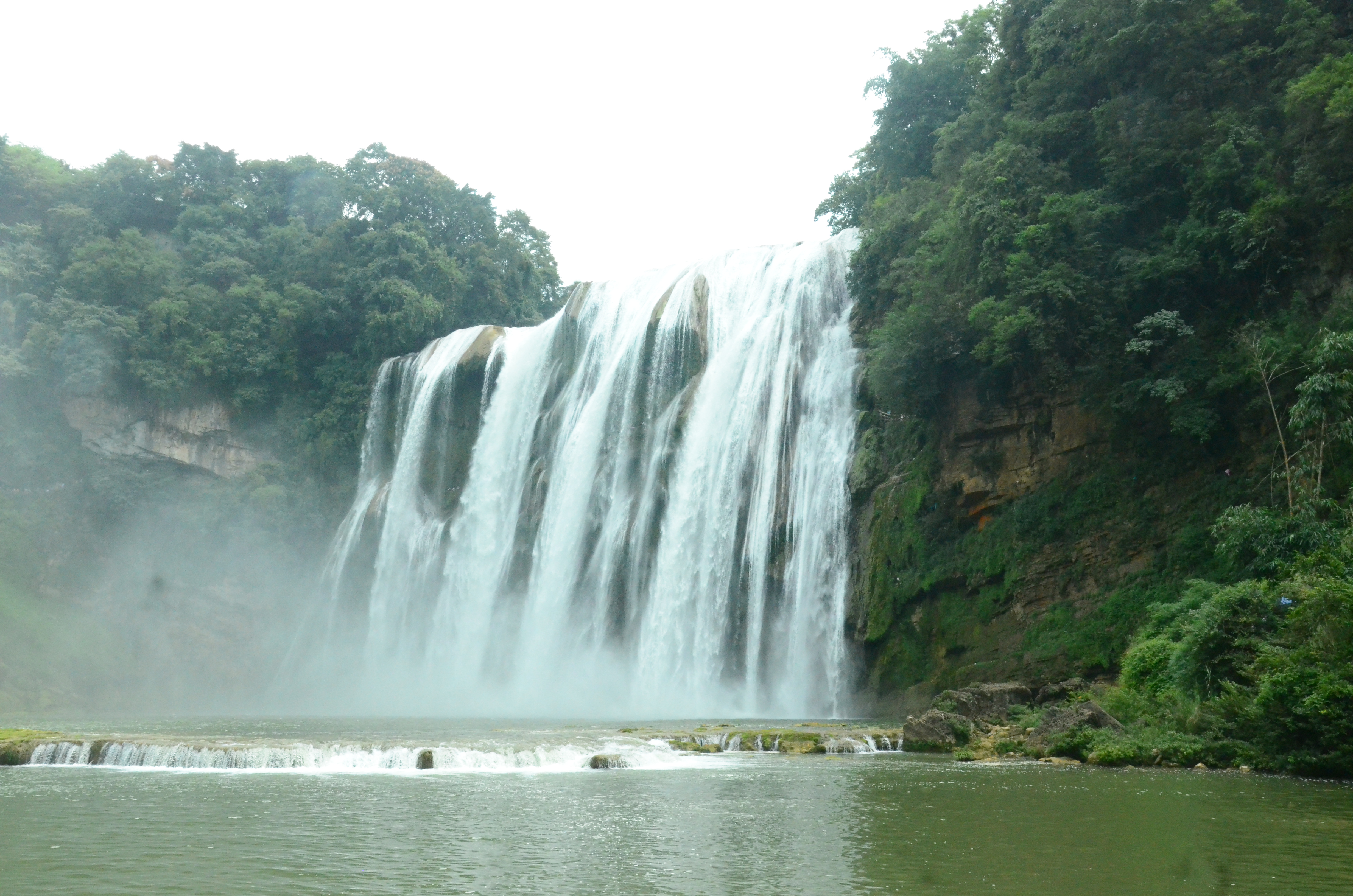
从贵阳市内到黄果树瀑布乘车大概需要1个多小时,人民公园有专门往返景区的大巴,赶早我就出发了,急匆匆上了车,可惜没逛上公园,从外面看有着十足的自然气息。上车后也没什么可以干的,就听着音乐看着沿途的景色,当时略有阴云,整个贵阳看起来就像蒙上了一层轻纱。因为是淡季,人也没那么多,到了目的地后,我随着游客们边拍边走的就走到了瀑布底下。也许是夏季,黄果树瀑布水势较小,但水气也给酷夏带来了些许清凉。
 |
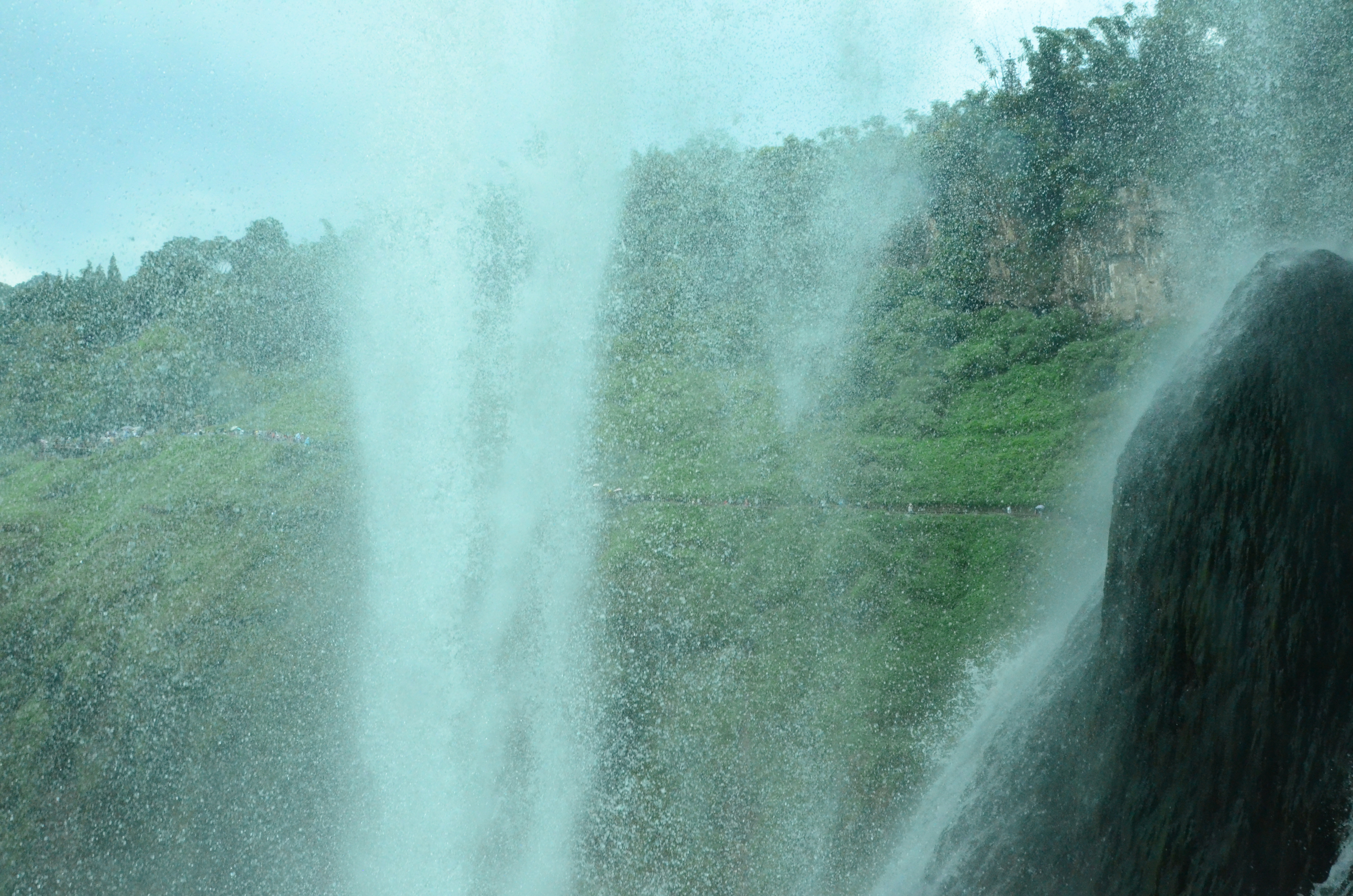 |
非常巧的是遇到了一位学长,博士毕业后与家人一起来旅游,于是我们便作伴上山,穿过“水帘洞”,即可以透过水帘看到山下的景色,又可以远眺青山。走过水帘洞后,后面的景色便比较乏味了,告别学长,我坐上了返途的大巴。
第二天我就踏上了去梵净山的旅程,从贵阳到梵净山可谓是千山万水,需要先坐高铁到铜仁,再从铜仁坐大巴到梵净山脚下,到达铜仁后,我随便找了一家点,尝了尝当地的脆哨面,还是挺好吃的,脆哨像是炸过的肥肠,入口先是酥脆,细嚼便能感受到弹性,配合着面汤,这是有别于海南汤面的滋味,贵州面食更喜香辣,面汤泛着红油,看上去溃疡就隐隐作痛,但是细细品味后发现,香辣中香更突出,辣只是搭配,一口粉面配合着脆哨,非常满足。
大巴出发后,天气变得阴沉,行人大多犯困,靠着窗就睡着了,可惜这一路美景,但景色就是为了怡人,强撑着精神看着窗外的美景,那怡人的效果又能有多少呢?于是我也靠着窗睡着了。迷迷糊糊醒来后,发现已驶入景区,我看了看所订酒店的定位,惊觉已去深远,我急忙问了问售票员,她说大巴是开到景区门口的,我需要步行回到酒店,没法子,拎着大包小包便往酒店方向走去。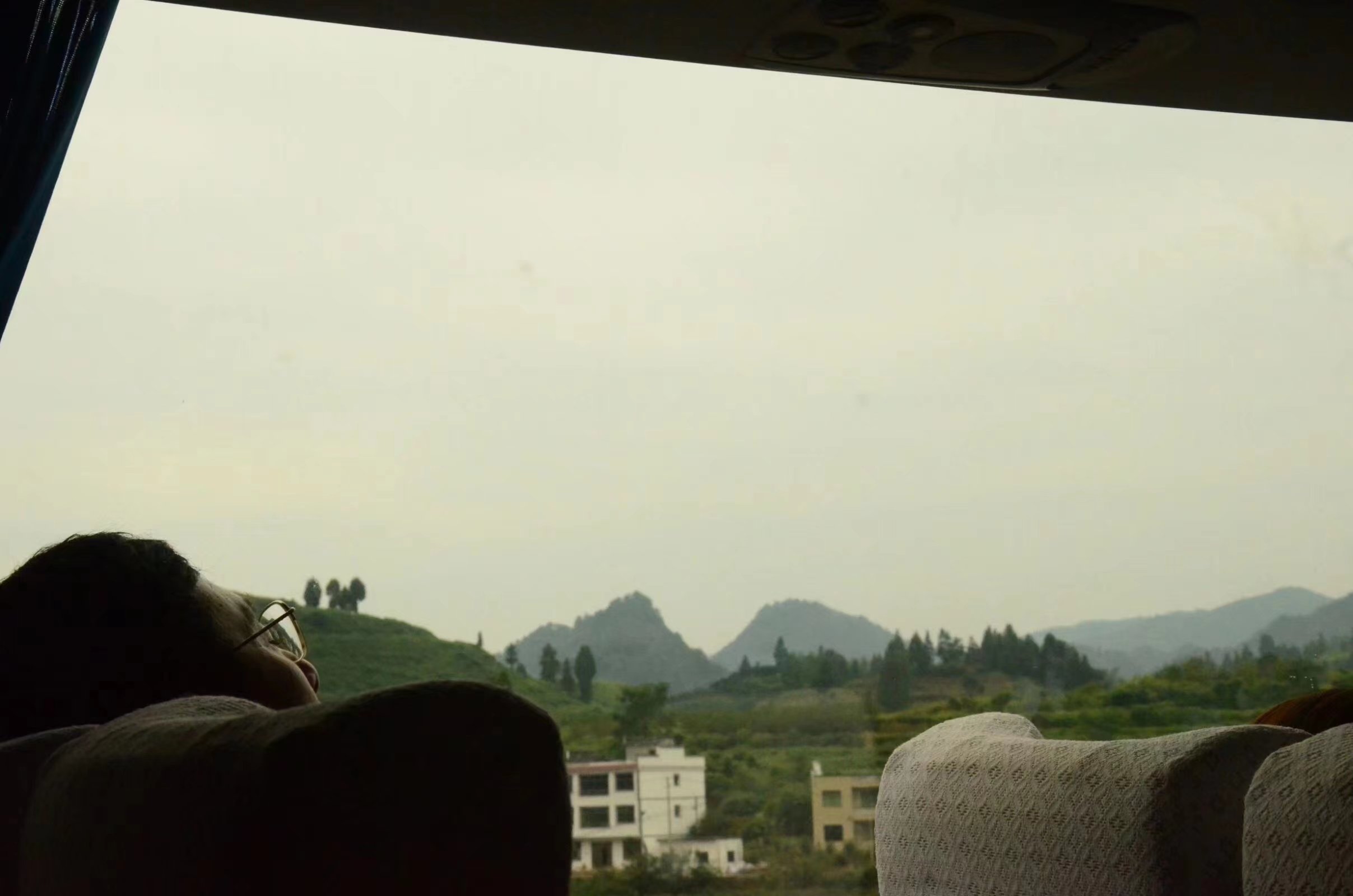
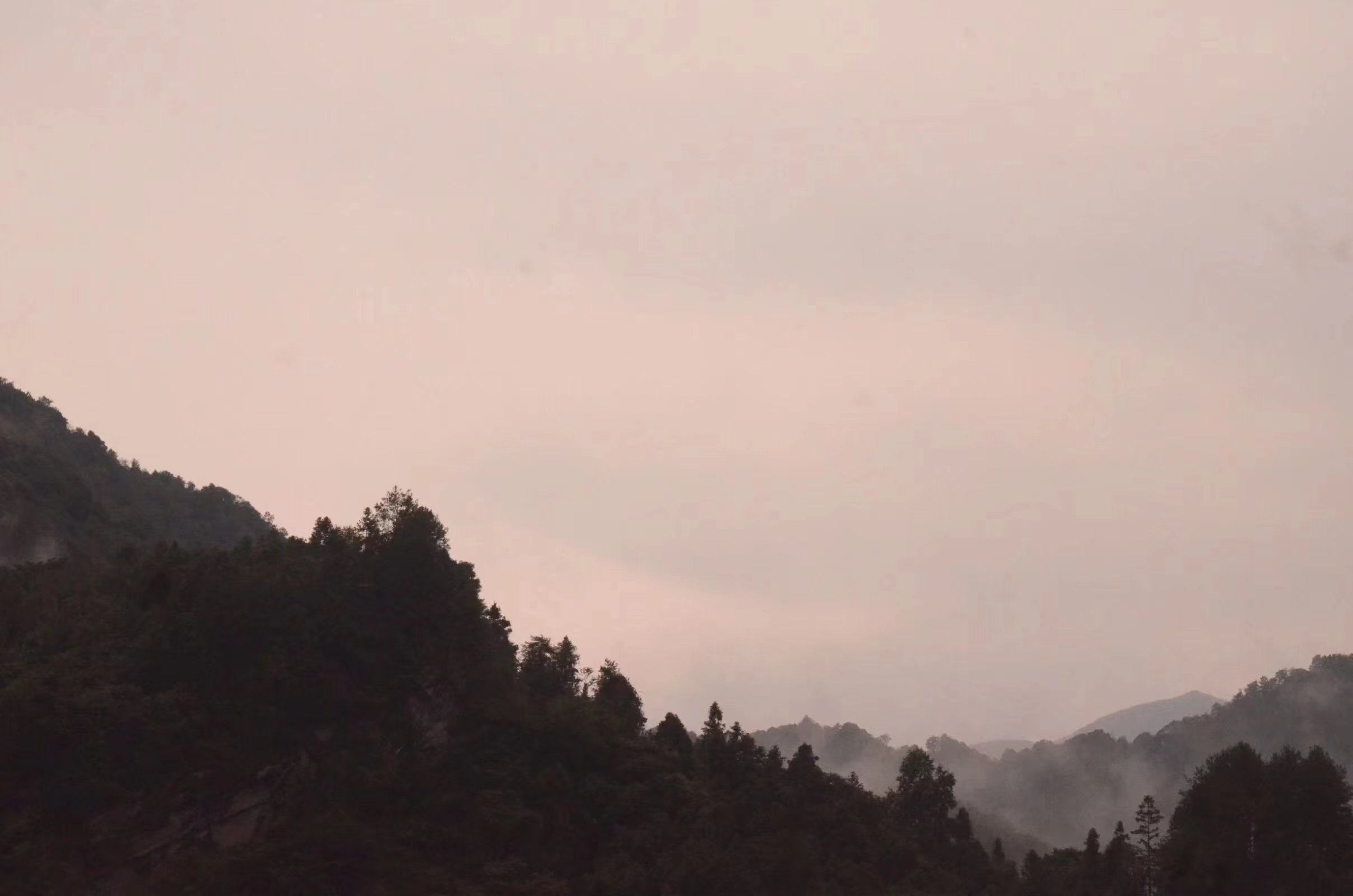
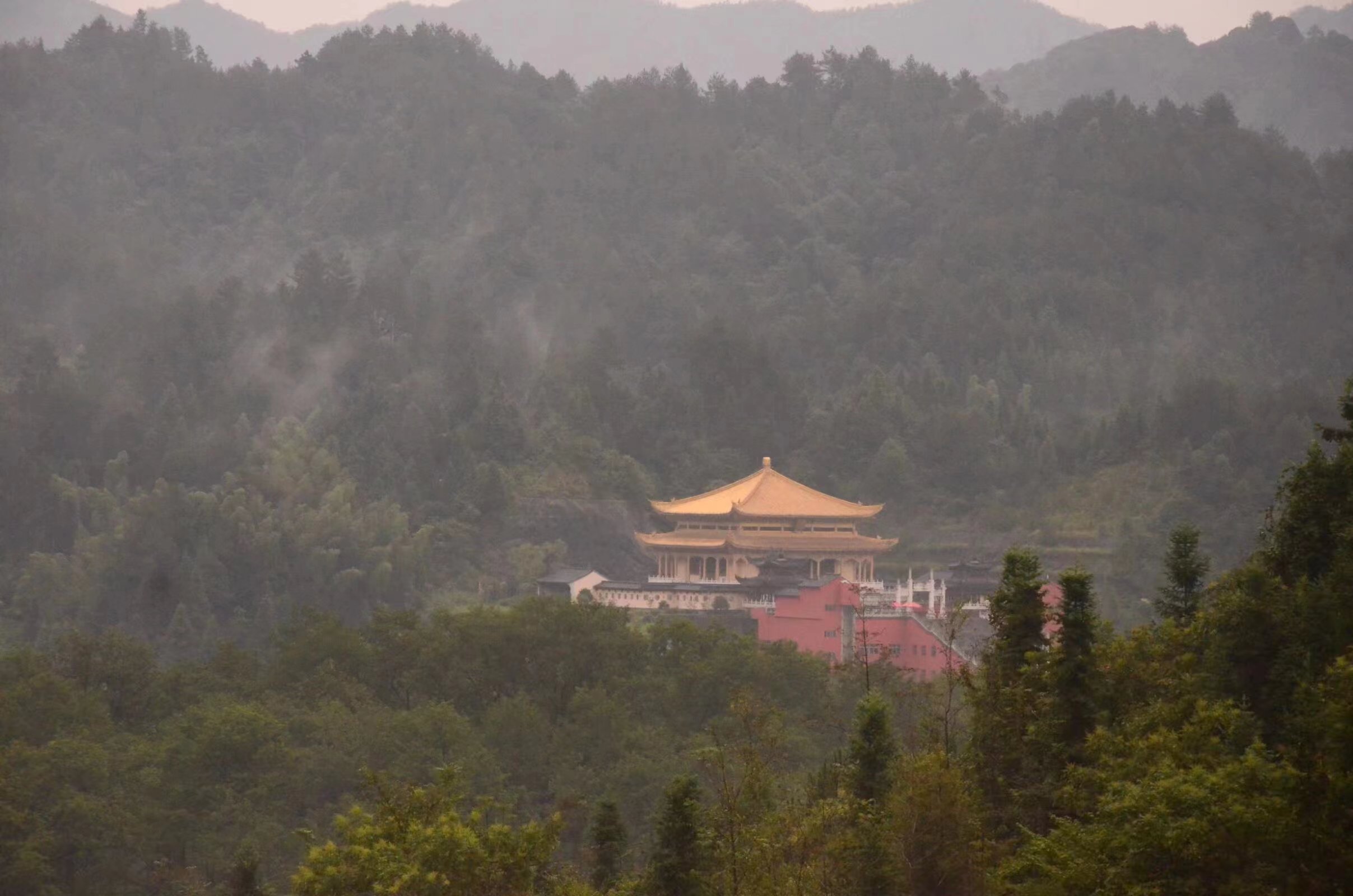
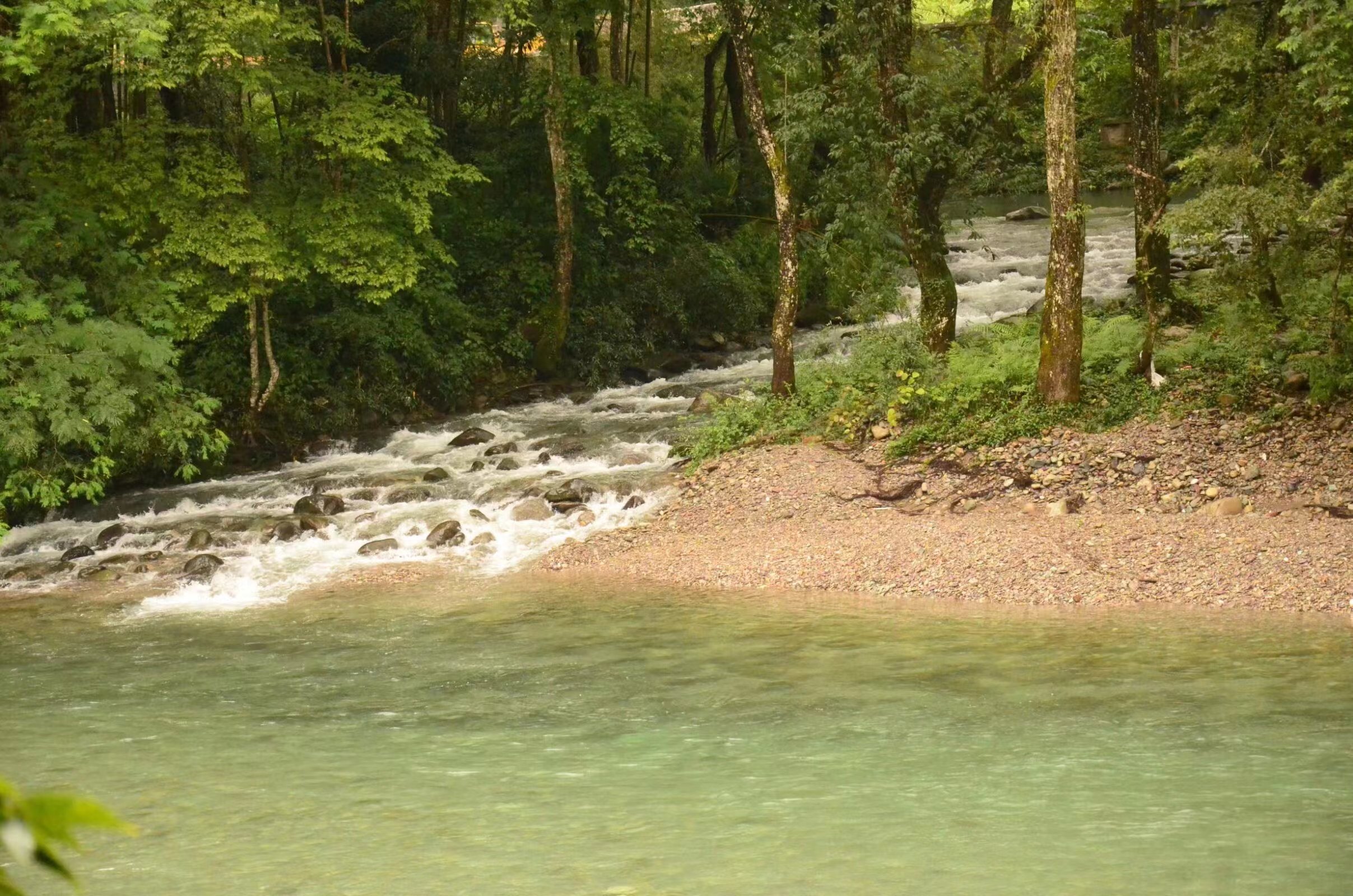
至今想起,我还是非常庆幸自己睡着了错过下车点,亲临感受与在车上透过窗户去看还是有区别的。此时已然下起绵绵细雨,阳光从阴云的缝隙中透过。路旁有一条小溪,溪边郁郁葱葱,水流清澈,可以清晰地看见水底的石子。八月的梵净山像是秋天,轻风吹散暑气,金秋映入眼帘,细雨乘风,轻飘飘地划过我的脸庞,止步远眺,连山成线,草木繁盛,云雾缭绕其中,好一派神仙妙境,细细聆听,一时间唯有清风拂叶,细雨润物,溪水潺潺,窸窸虫鸣,天地为之清净,五感为之平和,此时此景,犹如天人交感,只想信马由缰,放声大喊,可惜终究不是仙人,又恐吓坏行人,当我是傻逼,只好默默感受。
 |
 |
 |
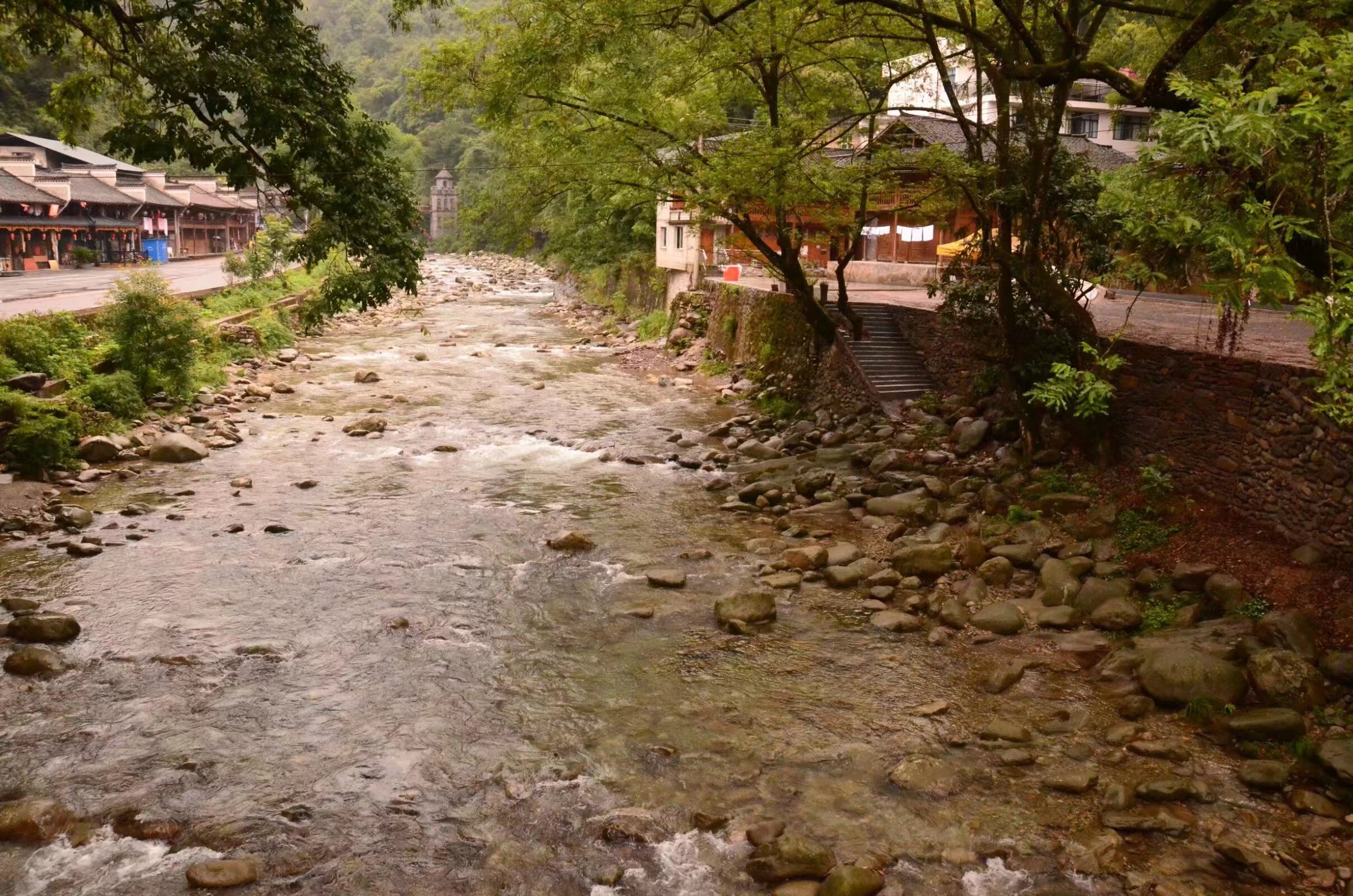 |
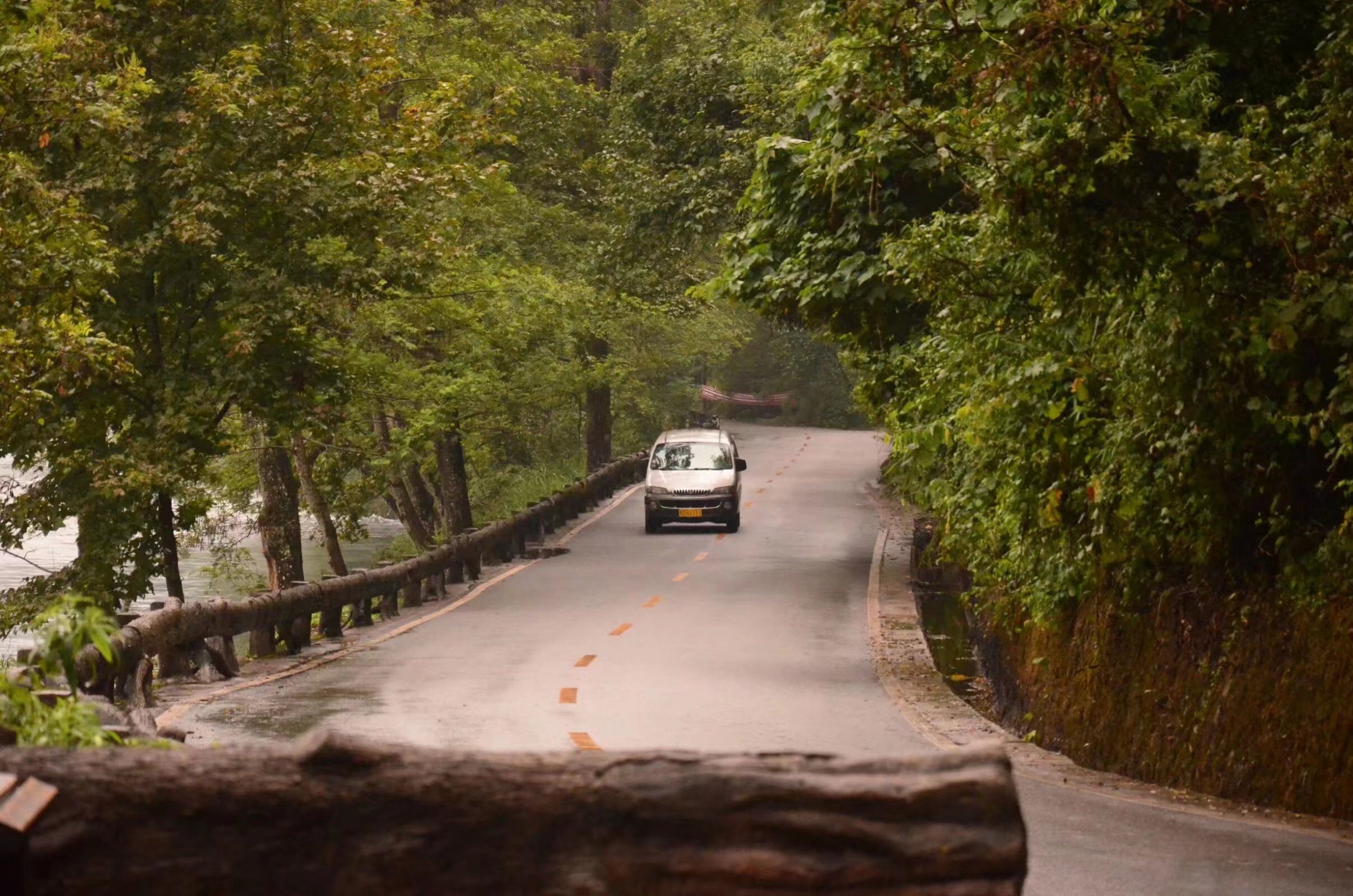
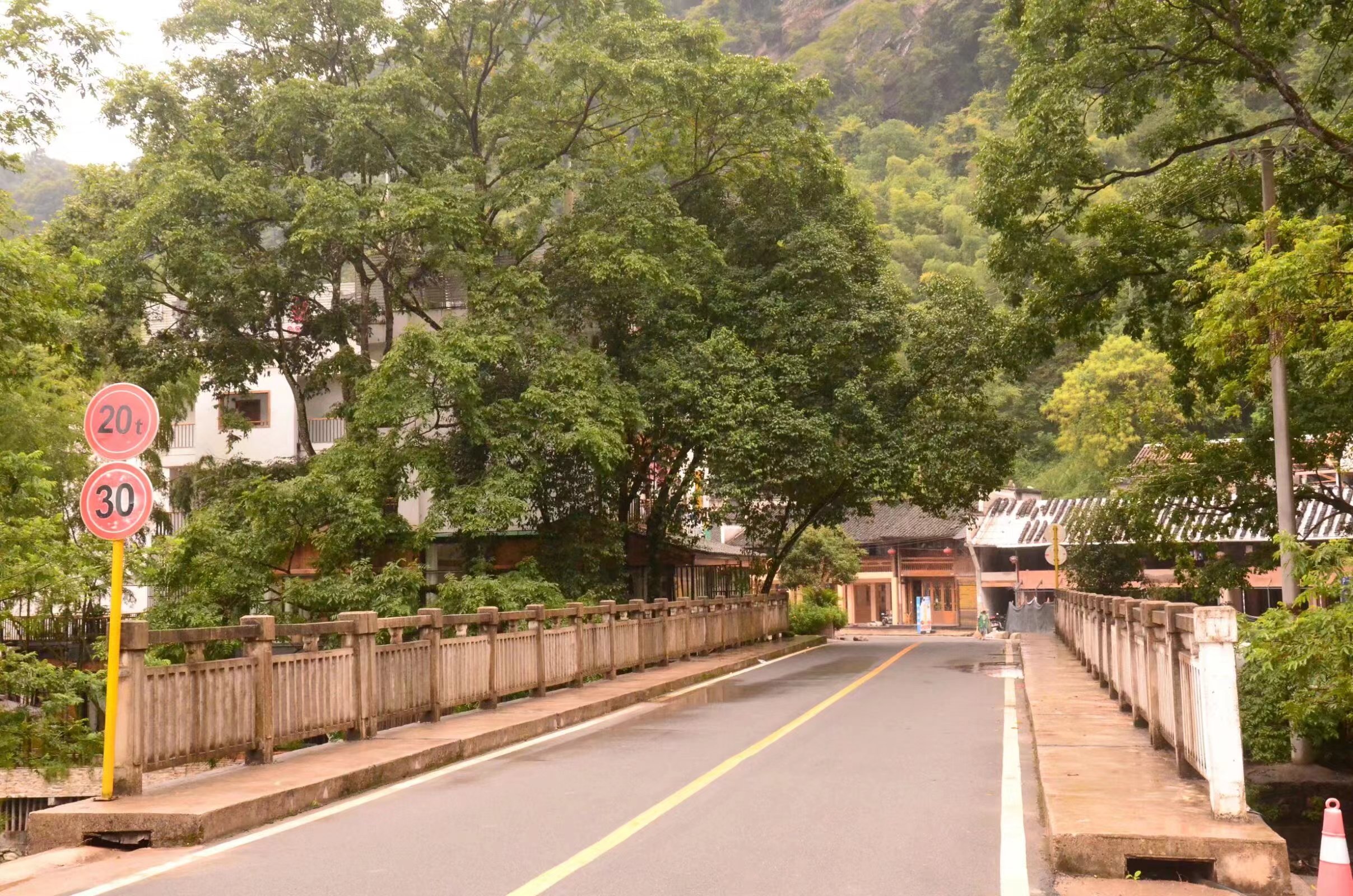
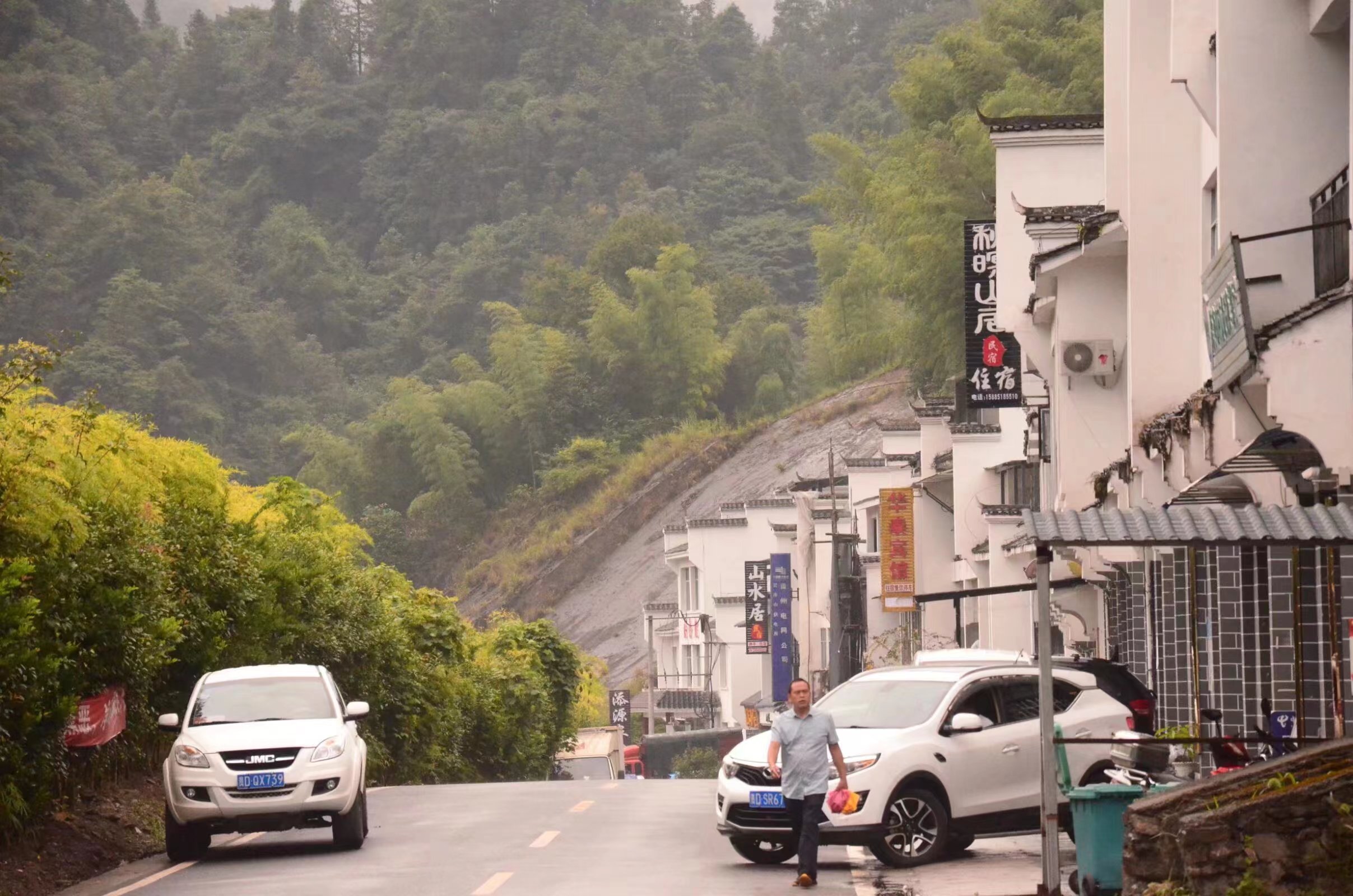
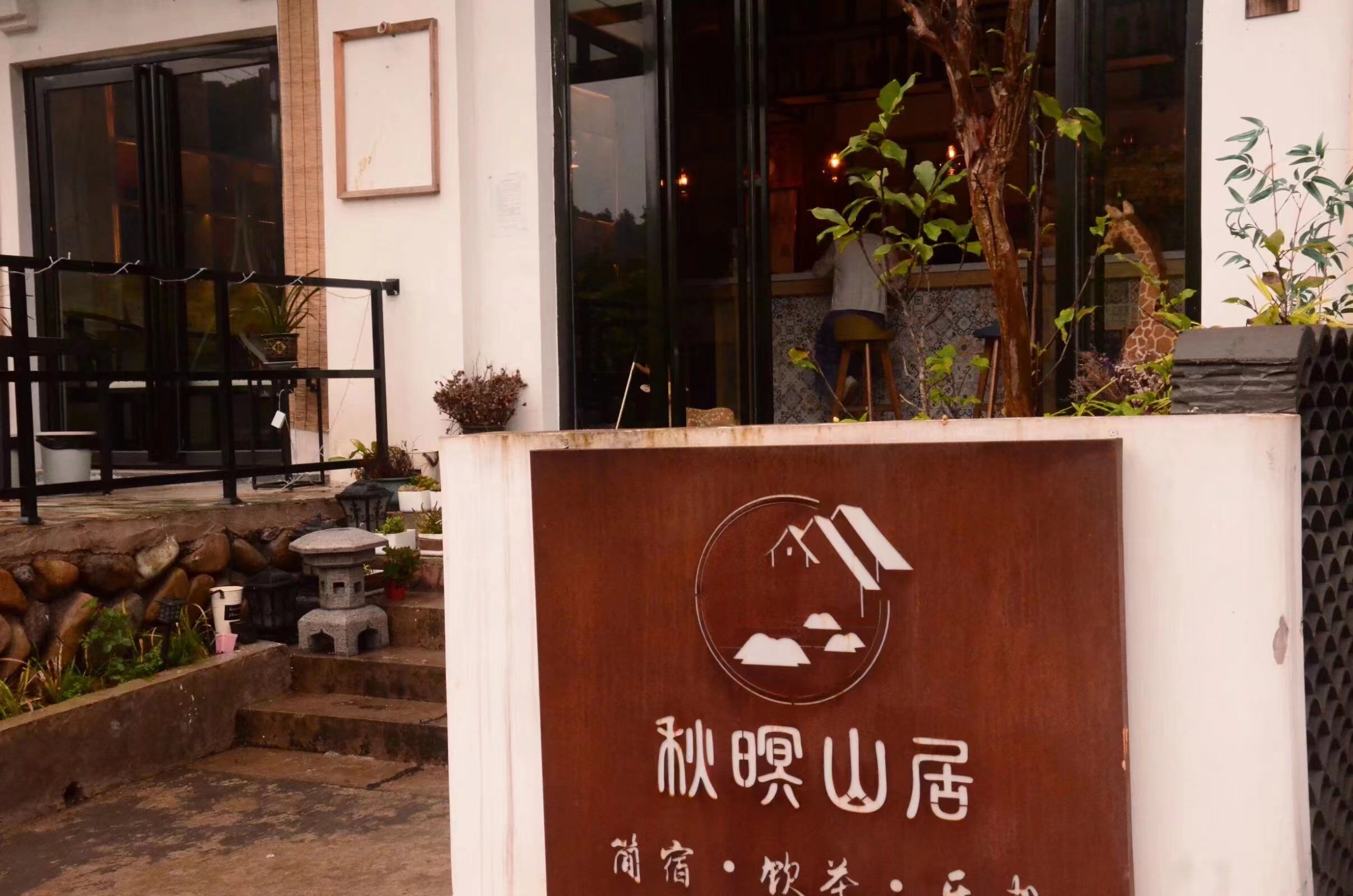
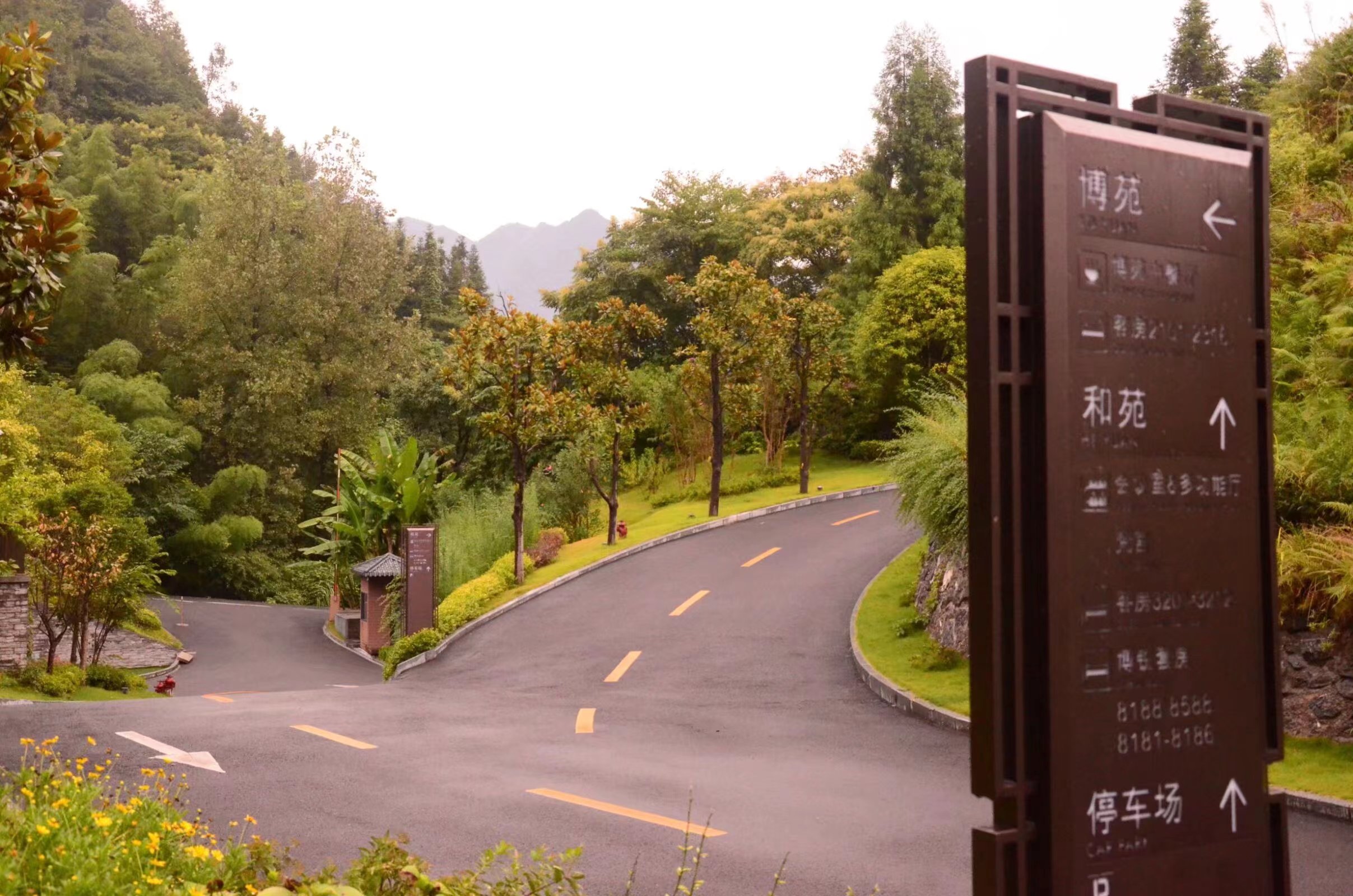
路上车不多,给了我观察路面的机会,雨后的泊油路湿漉漉的,配合两旁的青树,意想不到地有着异样的美感,路旁便是溪水,想必在这里开车,可以饱览美景。过了桥后就是一条街,随着靠近渐渐地有了人气,街上有许多茶店与咖啡店,游客们在里面一边小憩一边可以远眺山景,好不快活,可惜囊中羞涩,我没停下脚步。
 |
 |
 |
 |
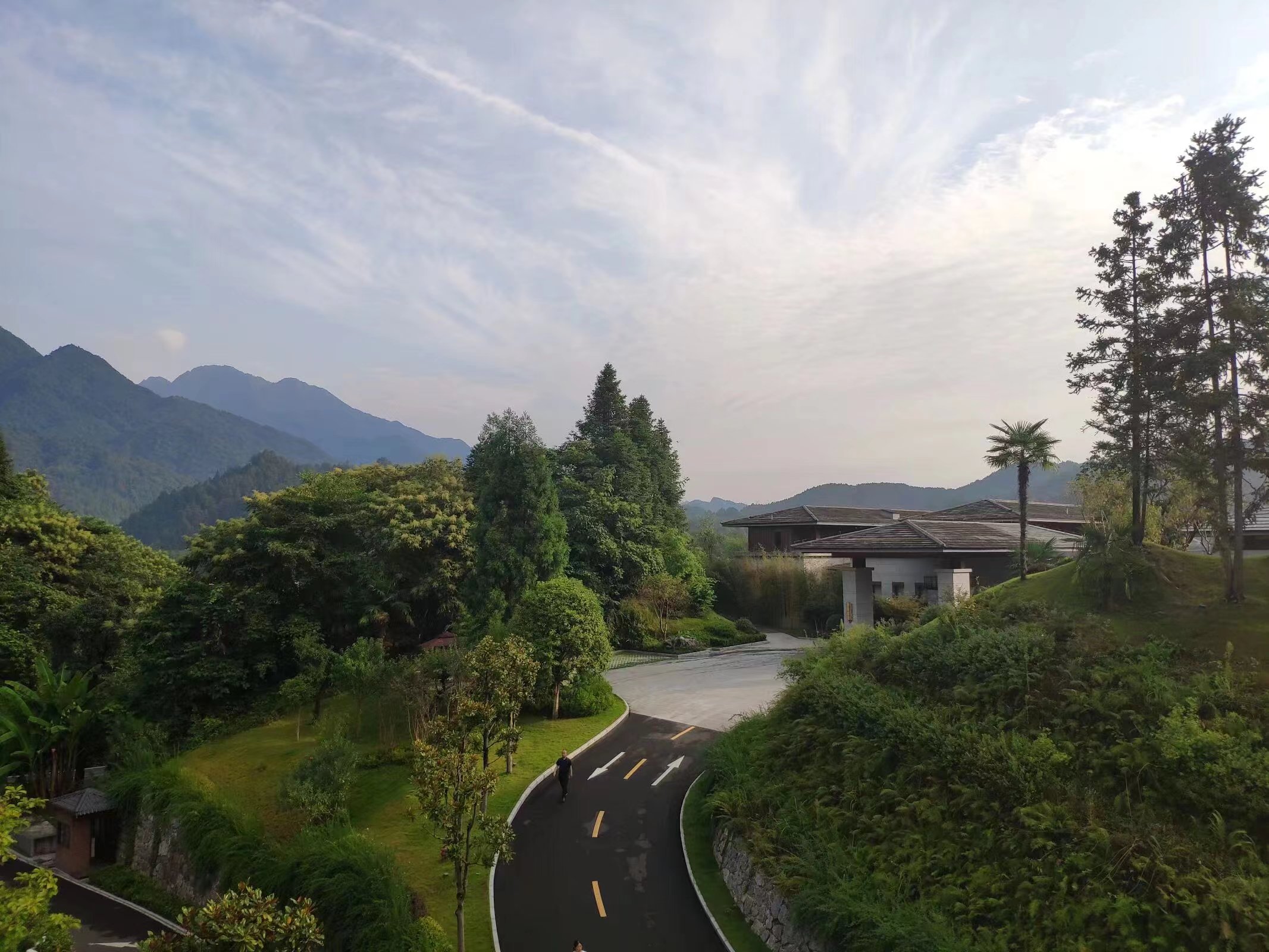
随着路标,我一路走到了酒店,办理入住,约了明早接送的车辆后,我的肚子开始叫了,此时天色已黑,路灯稀疏,我打消了去那条街上看的念头,转而去了酒店餐厅,忍痛花了80点了一份梅菜扣肉,就着米饭祭了五脏庙,也许是心情愉快,也许是太饿了,这顿饭格外地好吃。饭饱后回到房间,伴着窗外窸窸的虫鸣,玩完游戏后就睡着了。
 |
 |
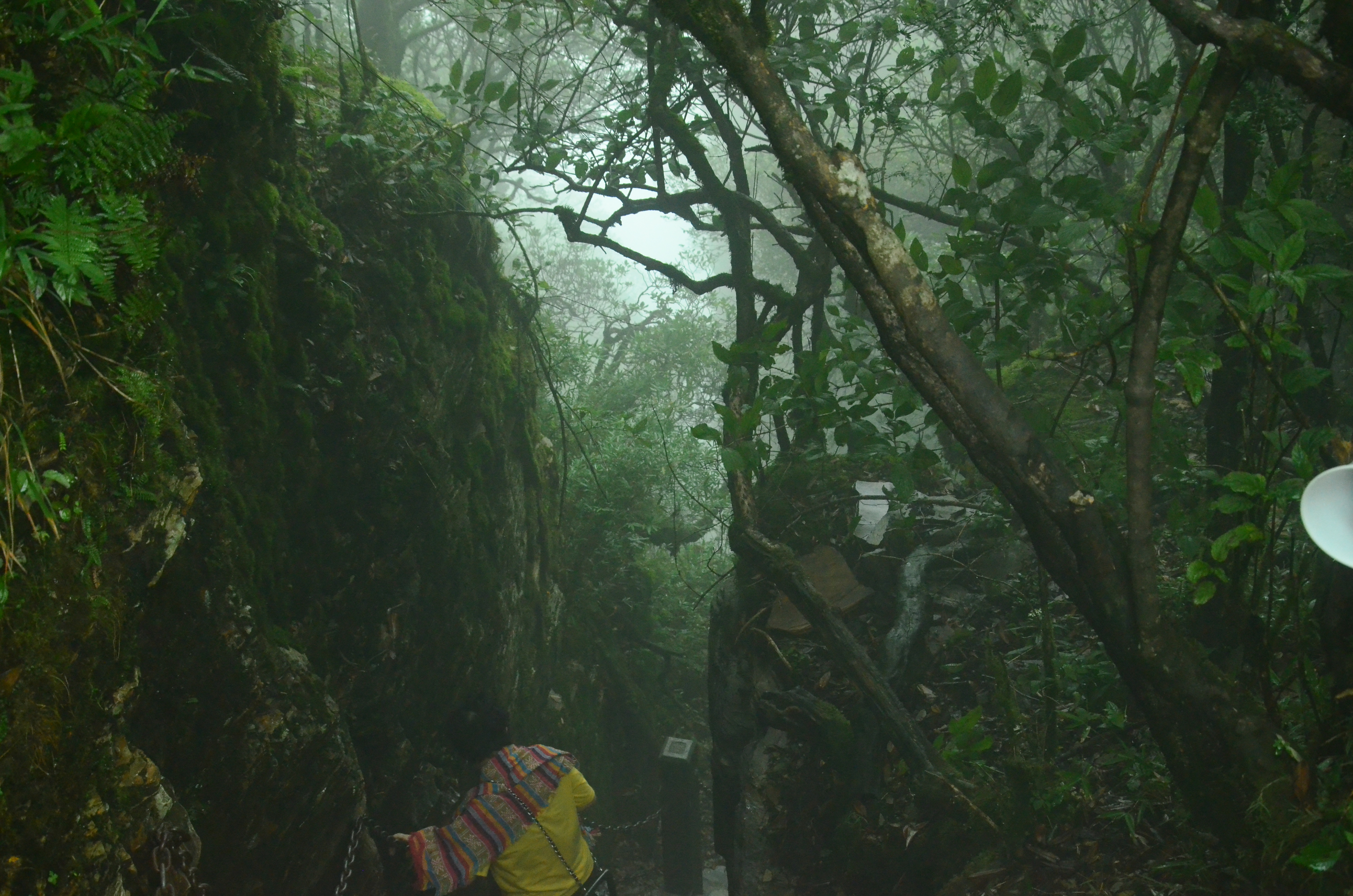
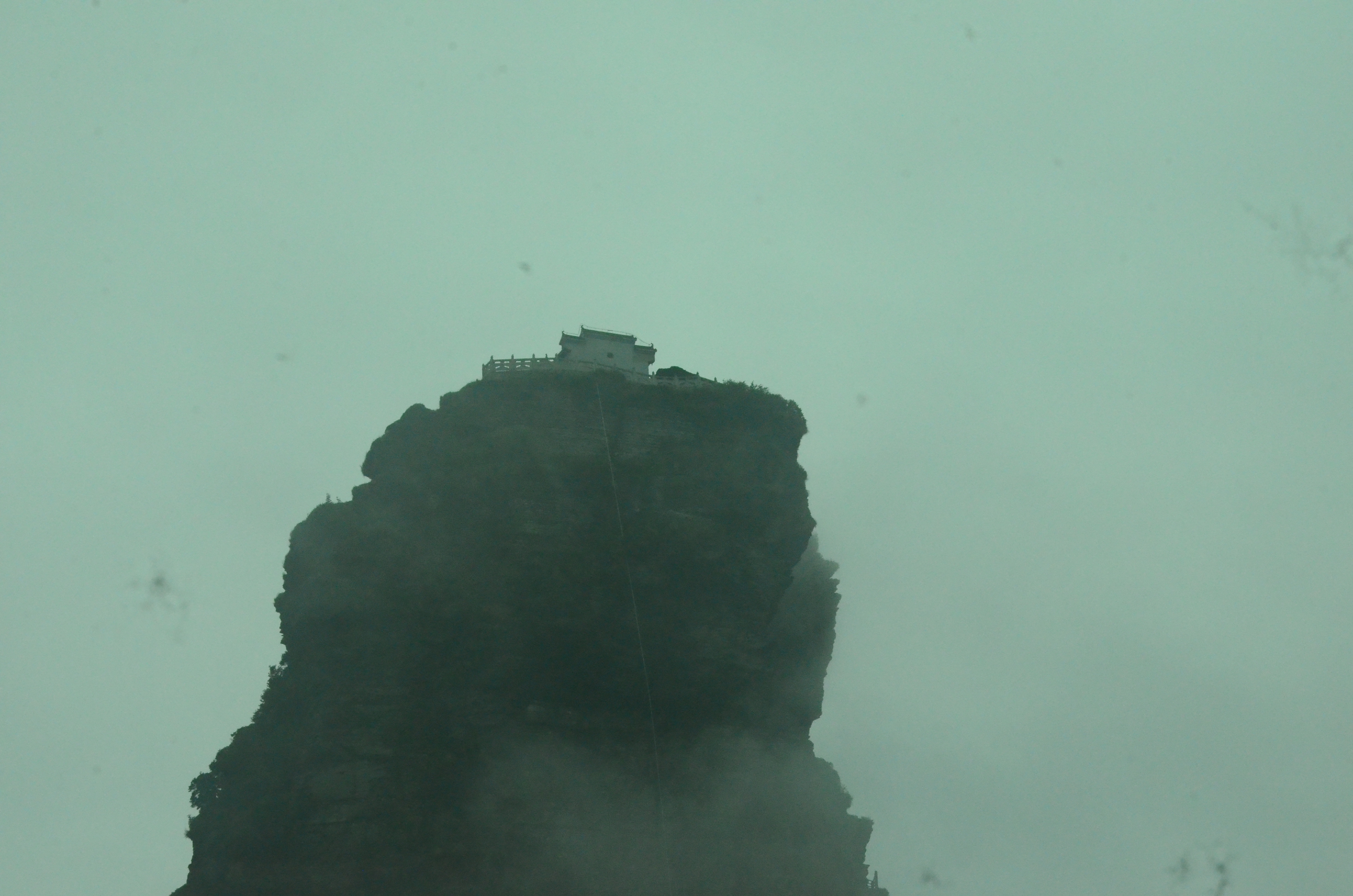
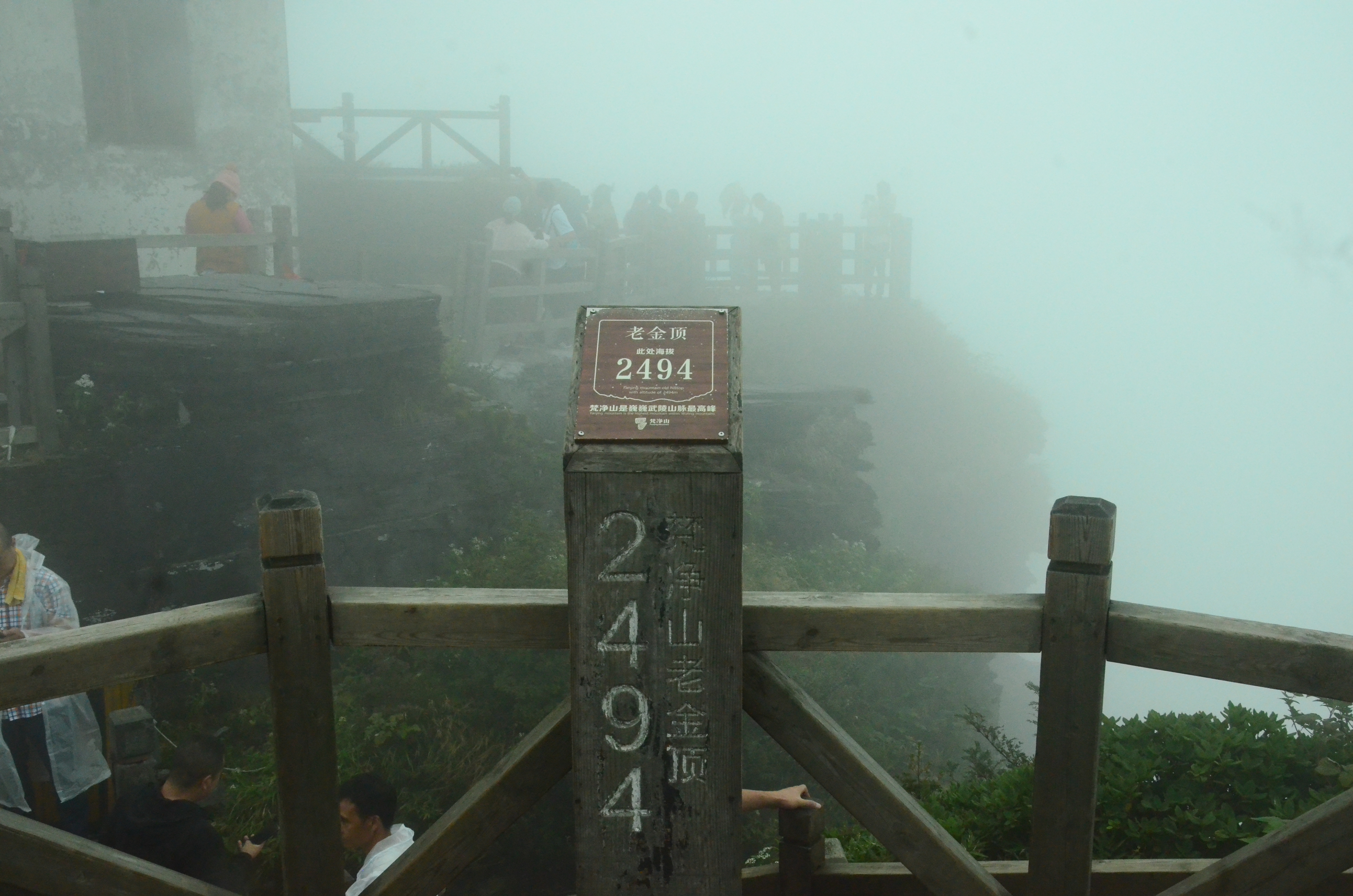
早上起来后我便上了山,看了景,可惜天公不作美,山上雾气太大,金顶没看着,峰上庙也没看着,唯有呼呼的风声不绝于耳,走完一遍后就下山去了。
 |
 |
 |
 |
乘坐缆车下山,回首一望,重峦叠嶂,云雾缭绕,我终于明白国画为什么是这样画的,点墨聚峦成山,留白抟气为云,阴阳为之一分,天地清浊自辨,造物神奇。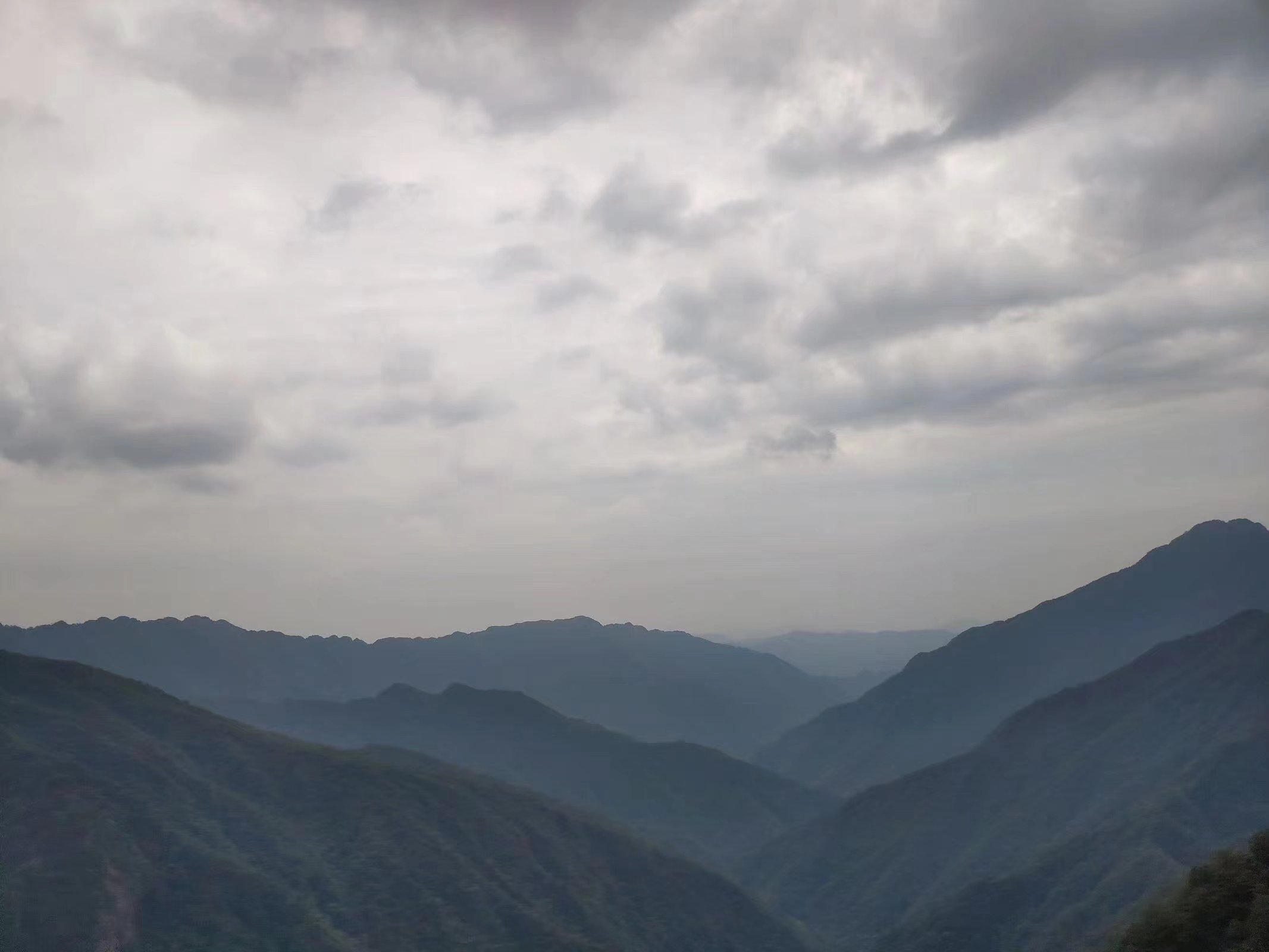
行文至此,不禁唏嘘,此时是2024年5月16日,我刚赶完毕业论文,坐在工位上,快5年了才写下这篇游记,回想起当时游玩的点点滴滴,只有羡慕,羡慕当时的我能有闲情游山访水,能有时间亲近自然。自那之后,我也好久没有旅游,一方面是疫情,一方面是也该考虑生存了,即使读了研,也要早早考虑毕业,就像一台机器,启动后就停不下来。此时再回望那个问题———大学真的比高中轻松吗?我现在也许也是不赞同的,因为我觉得轻不轻松,不在于处于什么时间段,而在于有没有心情去感受自己喜欢的事情。这一段独自旅游的历程让我非常舒服,因为我心无旁骛,所以能感受自然。
若无闲事挂心头,别是人间好风景。希望今后还能有如此心境继续旅程。
Travels in Guizhou
In August 2019 I travelled to Guizhou. It was the summer holiday of my second year at university; I had just finished all my exams, my marks were decent, and my mood was naturally good. It put me in mind of that old high-school refrain — that university would be easy. At the time I probably did not agree: at university there are still exams to sit and resits if you fail, and the end of term is no lighter than it was in high school.
The trip to Guiyang was entirely improvised. The summer was long, there was nothing urgent to attend to, and staying at home was dull, so the thought of travelling came to me. My sixth uncle works in Guiyang, and so I went to see Guizhou. Because it was improvised, the itinerary was casual too: I looked up where to go before boarding the plane and how to get there after landing; lying on the bed at my uncle’s flat I booked the admission ticket, the coach and the hotel; and the next morning I took an early bus to Huangguoshu Falls.
From downtown Guiyang to Huangguoshu Falls takes a little over an hour by bus. There is a dedicated shuttle from People’s Park, so I set off early and hurried aboard — a pity I never got to walk in the park itself, which looked thoroughly natural from the outside. There was little to do on the coach, so I listened to music and watched the scenery pass. The sky was faintly overcast, and the whole of Guiyang seemed veiled in gauze. It was the off-season, so there were not many visitors; when we arrived I walked along with the crowd, photographing as I went, until I stood beneath the falls. Perhaps because it was summer the water was not at its fullest, but the spray still brought a little coolness to the heat of the day.
|
|
Quite by chance I met an old schoolmate — a man who had just finished his doctorate and was travelling with his family. So we went up the mountain together. Passing through the “Water Curtain Cave”, you can look out through the falling water to the view below and gaze at the green hills beyond. After the cave the scenery grew rather dull; I said goodbye to him and took the coach back.
The next day I set off for Mount Fanjing. From Guiyang to Fanjingshan is a journey of a thousand mountains and ten thousand rivers: first a high-speed train to Tongren, then a bus from Tongren to the foot of the mountain. When I reached Tongren I picked a restaurant at random and tried the local cuishao noodles, which were rather good. Cuishao is like deep-fried pork intestine: crisp at the first bite, then springy as you chew, and against the broth it makes a flavour quite unlike the noodle soups of Hainan. Guizhou noodles favour fragrant heat; the broth is filmed with red oil and looks as though it would sting an ulcer, yet taste it closely and the fragrance leads while the heat merely accompanies. A mouthful of noodles with cuishao is very satisfying.
Once the coach set off the weather turned grey, and most of the passengers grew sleepy, dozing against the windows. It was a pity about the scenery along the way — but scenery exists to please, and if I forced myself to stay awake for it, how much pleasure would I really take? So I too slept against the window. When I came to, still muzzy, we had already entered the scenic area. I checked the pin of the hotel I had booked and was startled to find it far behind. I hurried to ask the conductor, who said the coach only went as far as the entrance, and that I would have to walk back to the hotel. There was nothing for it: I gathered my bags and set off in the direction of the hotel.
Even now I count myself lucky to have slept through my stop: seeing a place in person is not the same as watching it through a bus window. By then a fine rain had begun to fall, with sunlight coming through the gaps in the cloud. Beside the road ran a stream with lush banks, the water so clear that the stones on the bottom were plainly visible. In August, Mount Fanjing felt like autumn: a light wind scattered the heat, golden autumn colour filled my eyes, and the drizzle drifted across my face on the wind. I stopped and looked into the distance — hills joined into a line, trees and grasses thick, cloud and mist winding among them; a scene fit for immortals. Listening closely, for a moment there was nothing but wind turning the leaves, rain moistening all things, the murmur of the stream and the thin chirr of insects. Heaven and earth were made clean by it, and the five senses grew calm. In that moment it was as though man and nature answered each other. I wanted only to let the reins go and shout aloud — but I am no immortal after all, and I feared I would frighten the passers-by, who would take me for a fool. So I kept it to myself.
|
|
|
|
There were few cars on the road, which gave me the chance to study its surface: the asphalt was still wet from the rain, and together with the green trees on either side it had an unexpectedly strange beauty. Beside the road ran the stream, and I thought that driving here one could take in the whole of the landscape. Past the bridge lies a street, which came alive as I drew near: many tea houses and coffee shops, visitors resting inside while looking out at the mountains — very pleasant indeed. A pity my purse was thin; I did not stop.
|
|
|
|
Following the signs I walked all the way to the hotel, checked in, and arranged a car for the morning. Then my stomach began to complain. It was dark by now and the street lamps were sparse, so I gave up the idea of going back to that street and went to the hotel restaurant instead, where I painfully spent eighty yuan on a dish of pork with preserved mustard greens and offered it, with rice, to the temple of my five viscera. Perhaps because I was happy, perhaps because I was starving, that meal tasted especially good. Sated, I went back to my room and, to the thin chirring of insects outside the window, played games until I fell asleep.
|
|
In the morning I went up the mountain and saw the view — though the heavens were not kind: the mist was too thick, so I saw neither the Golden Summit nor the temple on the peak. Only the whistling of the wind never ceased. Having walked the route once, I went back down.
|
|
|
|
I took the cable car down. Looking back, I saw ridge upon ridge with cloud and mist winding among them — and at last I understood why Chinese painting is painted as it is: dots of ink gather into hills, blank space gathers breath into cloud, yin and yang are thereby parted, and heaven and earth are seen to be clear and murky of themselves. Marvellous is the making of things.
Writing this far, I cannot help sighing. It is 16 May 2024; I have just finished my graduation thesis and am sitting at my desk. Nearly five years have passed before I wrote this travelogue down. Thinking back on those days, I feel only envy — envy of the self who then had the leisure to visit mountains and waters, the time to be close to nature. Since then I have not travelled for a long while: partly because of the pandemic, partly because one must think about making a living. Even in graduate school one must think early about graduating — like a machine that cannot stop once it has started. And looking back at that old question — is university really easier than high school? — I probably disagree even now, because I think ease has nothing to do with which stretch of life you are in, but with whether you are in the mood to feel the things you love. That journey, made alone, left me very comfortable, because my mind was free of distractions, and so I could feel nature.
“If no idle business hangs upon the heart, it is a fine scene in the world of men.” May I still carry such a mood, and go on with the journey.
This closing line echoes a verse by the Song-dynasty monk Wumen Huikai: “Spring has its hundred flowers, autumn its moon; summer its cool wind, winter its snow. If no idle business hangs upon the heart, then every season is the finest in the world.”